Few property maintenance services deliver results as dramatic and immediate as power washing. A surface that appears aged, stained, or neglected can often look remarkably refreshed after a thorough cleaning. Driveways regain their original color, siding appears brighter, patios look renewed, and outdoor spaces instantly feel more inviting. To many people, the transformation seems almost magical. However, behind every successful power-washing project lies a fascinating combination of science, engineering, chemistry, and material preservation.
The visible results of power washing are easy to appreciate, but the science behind those results is often overlooked. Every aspect of the process—from water pressure and temperature to cleaning solutions and surface compatibility—is carefully designed to remove contaminants without damaging the underlying material. Understanding the hidden science behind power-washing transformation reveals why this service is far more than simply spraying water at high pressure. It is a calculated maintenance technique that protects surfaces, extends material lifespan, and restores the appearance of residential and commercial properties.
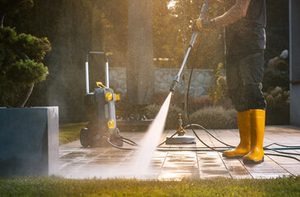
Understanding What Power Washing Really Does
At its core, power washing is a cleaning process that uses pressurized water to remove contaminants from exterior surfaces. While the concept sounds simple, the effectiveness of power washing depends on several scientific principles working together.
The goal is not merely to wash away visible dirt. Power washing removes layers of contaminants that bond to surfaces over time. These contaminants often include mold, mildew, algae, bacteria, pollen, pollution residue, grease, oxidation, and mineral deposits.
Many of these substances cannot be effectively removed through ordinary rinsing because they adhere to surfaces at a microscopic level. Power washing applies controlled force to break these bonds and lift contaminants away without harming the underlying material.
The result is a cleaner, healthier, and more visually appealing surface that often appears significantly newer than before.
The Physics of Water Pressure
One of the most important scientific elements behind power washing is fluid dynamics, the study of how liquids move and interact with surfaces. The cleaning power of a pressure washer comes from concentrating water into a highly focused stream.
When water exits a pressure-washing nozzle, it accelerates dramatically, creating a force capable of dislodging stubborn contaminants. The amount of force applied depends on factors such as pressure levels, flow rate, nozzle design, and distance from the surface.
Proper pressure selection is critical because different materials respond differently to force. Concrete can typically tolerate much higher pressure than painted wood or delicate siding materials.
Several variables influence cleaning performance:
- Water pressure output.
- Water volume delivered.
- Spray pattern selection.
- Distance from the surface.
- Duration of application.
The science lies in balancing these factors to maximize cleaning effectiveness while minimizing the risk of damage.
How Surface Tension Affects Cleaning
Another important scientific principle involved in power washing is surface tension. Water naturally forms cohesive droplets because its molecules are attracted to one another. While this property is useful in many situations, it can make cleaning more difficult because water alone may struggle to penetrate certain contaminants.
Professional cleaning solutions often reduce surface tension, allowing water to spread more evenly and penetrate deeper into dirt, grease, and biological growth. This improves cleaning efficiency and enables contaminants to be removed more effectively.
By altering the way water interacts with surfaces, cleaning agents help enhance the overall performance of the power-washing process.
Without understanding surface tension, many stubborn stains would require significantly greater pressure to remove, increasing the risk of surface damage.
The Role of Heat in Cleaning Power
Many professional power-washing systems incorporate heated water, and this is where thermodynamics comes into play. Heat increases molecular activity, which helps break down grease, oils, and organic contaminants more effectively than cold water alone.
The science behind heated cleaning is similar to washing dishes. Grease and oils become less viscous when exposed to heat, making them easier to dissolve and remove.
Benefits of heated water cleaning include:
- Faster breakdown of oily residues.
- Improved removal of organic contaminants.
- Reduced reliance on harsh chemicals.
- Enhanced sanitation performance.
- Greater overall cleaning efficiency.
The combination of heat and pressure creates a powerful cleaning system capable of addressing contaminants that would otherwise be difficult to remove.
The Biology Behind Mold, Mildew, and Algae Removal
Many exterior surfaces become stained not only by dirt but also by living organisms. Mold, mildew, algae, and bacteria thrive in damp environments and often establish colonies on siding, roofing materials, decks, and concrete surfaces.
These organisms can create discoloration, unpleasant odors, and slippery conditions. More importantly, they may contribute to long-term material deterioration if left untreated.
Power washing removes biological growth through a combination of mechanical force and specialized cleaning solutions. The process disrupts microbial colonies, removes organic buildup, and helps restore the affected surface.
The biological aspect of cleaning is particularly important because simply removing visible growth may not eliminate underlying spores. Professional cleaning methods often address both the surface contamination and its biological source.
Chemistry and the Breakdown of Contaminants
Chemistry plays a major role in modern power-washing techniques. Different contaminants require different approaches because not all stains respond to water pressure alone.
Professional cleaning solutions are formulated to target specific substances such as:
- Grease and oil.
- Mold and mildew.
- Rust stains.
- Mineral deposits.
- Organic buildup.
- Atmospheric pollutants.
These solutions work by altering the chemical bonds that hold contaminants to surfaces. Once those bonds are weakened, pressurized water can remove the residue more effectively.
The careful selection of cleaning agents is one reason professional power washing often achieves results that are difficult to replicate with household equipment.
Restoring Surface Appearance Through Material Science
One of the reasons power washing produces such dramatic visual improvements is that contaminants often obscure the original characteristics of a surface.
Material science helps explain this phenomenon. Many building materials have natural textures, colors, and reflective properties that become hidden beneath layers of dirt and residue. When those contaminants are removed, the material’s original appearance is revealed.
This restoration process can make surfaces appear significantly newer without requiring replacement or refinishing.
Common surfaces that benefit from restoration include:
- Concrete driveways.
- Brick walls.
- Stone pathways.
- Vinyl siding.
- Wood decks.
- Composite materials.
Understanding how different materials respond to cleaning is essential for achieving safe and effective results.
Why Proper Technique Matters
The science behind power washing also explains why the technique is so important. Excessive pressure, improper nozzle selection, or incorrect cleaning methods can damage surfaces rather than improve them.
Professional technicians consider factors such as:
- Material composition.
- Surface age.
- Existing coatings.
- Moisture conditions.
- Structural integrity.
Adjusting cleaning methods based on these variables ensures that contaminants are removed without causing unnecessary wear.
This level of precision transforms power washing from a simple cleaning task into a specialized maintenance practice.
The Connection Between Cleanliness and Longevity
One of the most overlooked aspects of power washing is its contribution to material longevity. Dirt and biological growth are not merely cosmetic concerns. They can accelerate deterioration by trapping moisture, encouraging microbial activity, and promoting surface degradation.
Regular cleaning removes these harmful elements before they cause significant damage.
Benefits of routine power washing include:
- Reduced moisture-related deterioration.
- Prevention of mold-related damage.
- Protection against staining.
- Extended lifespan of exterior materials.
- Reduced maintenance costs over time.
From a scientific perspective, power washing is not just restoration—it is preventative preservation.
Environmental Considerations in Modern Power Washing
Modern power-washing practices increasingly emphasize environmental responsibility. Advances in equipment and cleaning solutions have improved efficiency while reducing water usage and environmental impact.
Many professional techniques focus on:
- Controlled water consumption.
- Targeted application of cleaning solutions.
- Reduced chemical dependence.
- Efficient contaminant removal.
- Responsible wastewater management.
These innovations demonstrate how science continues to improve both cleaning performance and sustainability.
As technology advances, power washing becomes increasingly effective while minimizing its environmental footprint.
The Psychology of Visual Transformation
Although power washing is rooted in science, its impact also extends into human perception. Clean surfaces create a sense of order, care, and maintenance. People naturally respond positively to environments that appear clean and well-maintained.
The dramatic before-and-after effect often associated with power washing is partly psychological. Bright, clean surfaces improve visual appeal, increase perceived property value, and create stronger first impressions.
This explains why power washing is frequently recommended before property sales, renovations, or major exterior improvements.
The visual transformation may seem simple, but it reflects a complex interaction between cleanliness, perception, and environmental presentation.
The remarkable results achieved through power washing are not the product of water alone. They are the outcome of carefully applied principles from physics, chemistry, biology, thermodynamics, and material science. Every successful cleaning project relies on understanding how contaminants interact with surfaces and how specialized techniques can safely remove them.
From breaking molecular bonds and eliminating biological growth to restoring original surface appearance and extending material lifespan, power washing represents a sophisticated maintenance solution hidden behind a seemingly simple process. Its ability to transform exterior surfaces is rooted in science, precision, and professional expertise.
For property owners seeking to protect their investments, improve curb appeal, and preserve building materials, power washing offers far more than a cosmetic upgrade. It is a scientifically grounded maintenance strategy that restores, protects, and revitalizes properties while helping them remain attractive and functional for years to come.