Roofing Services: Protecting Your Property with Professional Roof Care

A roof is one of the most important components of any building, serving as the first line of defense against weather, environmental elements, and daily wear and tear. While many property owners focus on interior improvements and exterior aesthetics, the condition of a roof plays a significant role in protecting the entire structure. Professional roofing services help ensure that roofs remain durable, functional, and capable of providing long-term protection. Whether it involves routine maintenance, repairs, inspections, or complete roof replacement, investing in quality roofing services can prevent costly damage and extend the lifespan of a property.

roofing

Over time, roofs are exposed to harsh conditions that can gradually weaken roofing materials. Constant exposure to sunlight, wind, rain, temperature fluctuations, and debris can lead to deterioration that may not always be visible from the ground. Small issues such as missing shingles, minor leaks, or damaged flashing can quickly develop into more serious problems if left unaddressed. Professional roofing services are designed to identify these concerns early, helping property owners avoid extensive repairs while maintaining the structural integrity of their buildings.

The Importance of Professional Roofing Services

Many people underestimate the complexity of roofing systems. A roof is more than just a covering placed over a structure; it is a carefully engineered system that includes underlayment, ventilation components, drainage systems, insulation, and protective materials that work together to safeguard the property. Professional roofing contractors possess the knowledge, training, and experience necessary to assess roofing conditions accurately and recommend the most effective solutions.

One of the greatest advantages of hiring roofing professionals is their ability to identify underlying issues that may not be immediately obvious. Water intrusion, hidden structural damage, and ventilation problems often develop beneath the surface and can remain unnoticed until significant damage occurs. Professional inspections and maintenance services help uncover these issues before they become expensive repairs. This proactive approach not only saves money but also contributes to the overall safety and efficiency of the property.

Common Roofing Services Offered

Roofing companies provide a wide range of services designed to meet the unique needs of residential and commercial property owners. These services help maintain roof performance while ensuring long-term protection against environmental factors.

Some of the most common roofing services include:

  1. Roof inspections and condition assessments.
  2. Leak detection and repair.
  3. Roof maintenance programs.
  4. Storm and weather damage restoration.
  5. Roof replacement and installation.
  6. Gutter and drainage system maintenance.

Each of these services plays an important role in preserving the condition of a roofing system. Regular inspections and maintenance can significantly reduce the likelihood of unexpected problems while helping property owners plan for future roofing needs.

How Regular Roof Maintenance Saves Money

One of the most cost-effective investments a property owner can make is routine roof maintenance. Many roofing problems develop gradually and can be resolved quickly when detected early. Unfortunately, neglected roofs often require extensive repairs or complete replacement much sooner than expected.

Routine maintenance allows roofing professionals to identify vulnerable areas before they worsen. Minor cracks, loose materials, clogged drainage systems, and worn protective coatings can often be corrected at a relatively low cost. By addressing these concerns promptly, property owners can avoid water damage, mold growth, insulation issues, and structural deterioration that may result from prolonged neglect.

Additionally, a well-maintained roof contributes to better energy efficiency. Damaged roofing materials and poor ventilation can lead to increased heating and cooling costs by allowing conditioned air to escape. Regular maintenance helps optimize roof performance and can contribute to lower utility expenses throughout the year.

Signs That Roofing Services May Be Needed

Recognizing the warning signs of roof damage can help property owners take action before serious issues develop. While some roofing problems are obvious, others may be subtle and require professional evaluation.

Several indicators may suggest the need for roofing services:

  1. Water stains on ceilings or walls.
  2. Missing, cracked, or damaged roofing materials.
  3. Visible sagging or uneven roof surfaces.
  4. Excessive debris accumulation in gutters.
  5. Rising energy bills without explanation.
  6. Signs of mold, moisture, or mildew in attic spaces.

When any of these issues are present, scheduling a professional inspection can help determine the extent of the problem and identify the most appropriate solution. Early intervention often prevents larger and more expensive repairs later.

Roof Replacement and Long-Term Value

Although regular maintenance can significantly extend a roof’s lifespan, there comes a time when replacement becomes the most practical option. Aging roofing systems eventually reach a point where repairs are no longer cost-effective. In such cases, a complete roof replacement can provide substantial long-term benefits.

Modern roofing systems are designed with improved durability, energy efficiency, and weather resistance. Replacing an aging roof can enhance the overall appearance of a property while increasing its value and marketability. Property owners often find that a new roof improves curb appeal and creates greater confidence among potential buyers or tenants.

Furthermore, newer roofing materials often require less maintenance and provide better protection against environmental conditions. Investing in professional roof replacement services can deliver decades of reliable performance while reducing future repair costs.

The Role of Roofing Services in Property Protection

Roofing services contribute to much more than simply maintaining a building’s appearance. A properly functioning roof protects structural components, electrical systems, insulation, and interior finishes from moisture damage. When roofing systems fail, the resulting damage can affect nearly every part of the property.

Professional roofing contractors use specialized equipment and proven techniques to ensure repairs and installations meet industry standards. Their expertise helps maintain the integrity of the entire structure while reducing the risks associated with water infiltration and weather-related damage.

In addition, professional roofing services often include detailed inspections and documentation that provide valuable information about the condition of the roof. This information allows property owners to make informed decisions regarding maintenance, repairs, and future investments.

Conclusion

Roofing services are an essential part of responsible property ownership. From routine inspections and preventative maintenance to repairs and complete roof replacements, professional roofing solutions help protect buildings from damage while maximizing long-term performance. A well-maintained roof not only safeguards the structure beneath it but also contributes to energy efficiency, property value, and overall peace of mind.

By investing in professional roofing services and addressing issues promptly, property owners can extend the lifespan of their roofs, avoid costly repairs, and ensure their properties remain protected for years to come. Whether maintaining an existing roof or planning a replacement project, working with experienced roofing professionals is one of the smartest decisions a property owner can make.

How Much Does Fire Damage Restoration Cost?

Fire damage can be one of the most devastating events a property owner may experience. Beyond the immediate destruction caused by flames, fire often leaves behind smoke damage, soot contamination, water damage from firefighting efforts, and structural issues that require professional attention. When disaster strikes, one of the first questions people ask is: How much does fire damage restoration cost?

The answer depends on several factors, including the extent of the damage, the size of the property, the materials affected, and the complexity of the restoration process. Understanding these variables can help property owners prepare financially and make informed decisions when hiring professionals. This guide explores the costs associated with fire damage restoration, the factors that influence pricing, and why investing in professional Fire Damage Restoration Salt Lake City services is essential for protecting a property’s value and safety.

fire damage

Understanding Fire Damage Restoration

Fire damage restoration is a specialized process designed to return a property to its pre-loss condition after a fire. Restoration professionals do much more than clean visible damage. They assess structural integrity, remove soot and smoke residue, eliminate odors, repair damaged materials, and address water damage caused by firefighting efforts.

The restoration process typically begins with a detailed inspection to determine the scope of the damage. Once the assessment is complete, professionals create a restoration plan that includes cleaning, repairs, reconstruction, and any necessary safety measures. The complexity of this work directly affects the overall cost.

Unlike simple cleaning projects, fire restoration often requires specialized equipment, protective gear, advanced cleaning techniques, and experienced technicians. These factors contribute to the overall investment required to fully restore a property.

Average Fire Damage Restoration Costs

Fire damage restoration costs can vary significantly depending on the severity of the fire. Minor incidents that affect only a small area may require limited cleaning and repairs, while extensive fires can result in major reconstruction projects.

For smaller fire damage situations, restoration expenses may involve smoke removal, soot cleanup, odor treatment, and minor repairs. Moderate damage often requires replacing building materials, restoring affected rooms, and repairing electrical or plumbing systems. Severe fire damage may involve structural rebuilding, complete interior restoration, and extensive remediation efforts.

Property size also plays a major role in determining restoration expenses. Larger buildings naturally require more labor, materials, and time, increasing the overall project cost.

Factors That Affect Fire Damage Restoration Costs

Several important variables influence the final price of fire damage restoration services.

1. Extent of Fire Damage

The severity of the fire is one of the most significant cost factors. A small kitchen fire may result in limited smoke damage and localized repairs, while a larger fire affecting multiple rooms can require extensive restoration work.

When flames penetrate walls, ceilings, flooring, and structural components, restoration becomes more labor-intensive and expensive. The greater the damage, the more resources are needed to restore the property safely.

2. Smoke and Soot Removal

Even when flames affect only a small portion of a property, smoke and soot can spread throughout the entire structure. Smoke particles often penetrate porous materials such as drywall, insulation, carpets, upholstery, and wood surfaces.

Professional smoke and soot removal involves specialized cleaning methods designed to prevent permanent staining and lingering odors. Extensive contamination can significantly increase restoration costs because multiple cleaning treatments may be required.

3. Water Damage Remediation

Fire suppression efforts frequently introduce large amounts of water into a property. As a result, fire damage restoration often includes water extraction, drying, and dehumidification services.

If water remains trapped within walls, flooring, or structural components, mold growth and additional damage can occur. Addressing these issues promptly is critical, but it also adds to the total restoration expense.

4. Structural Repairs

Structural damage is among the most costly aspects of fire restoration. When support beams, roofing systems, walls, or foundations are compromised, extensive repairs may be necessary before the property can be safely occupied.

Contractors may need to replace framing, rebuild sections of the structure, reinforce damaged components, and ensure compliance with current building standards. The scope of structural repairs has a major impact on project costs.

5. Contents Restoration

Personal belongings and business assets can often be restored rather than replaced. Furniture, electronics, clothing, documents, and valuable items may undergo specialized cleaning and restoration procedures.

The cost of contents restoration depends on the number of items affected, their condition, and the techniques required for recovery. While restoring belongings can be expensive, it is often more affordable than replacement.

The Fire Damage Restoration Process

Understanding the restoration process helps explain why costs can vary so widely from one project to another.

The process generally includes:

  1. Emergency response and damage assessment.
  2. Property stabilization and safety measures.
  3. Water extraction and drying.
  4. Smoke and soot removal.
  5. Odor elimination treatments.
  6. Cleaning and sanitization.
  7. Structural repairs and reconstruction.
  8. Final inspections and quality assurance.

Each stage requires specialized expertise and equipment, contributing to the overall project investment.

Emergency Services and Their Costs

Many restoration companies offer emergency response services because fire damage worsens when left untreated. Immediate action can prevent additional deterioration and reduce long-term repair expenses.

Emergency services often include board-up procedures, roof tarping, water removal, and temporary stabilization measures. While these services increase upfront costs, they frequently save money by preventing secondary damage.

Rapid response is particularly important because soot residue becomes more difficult to remove over time. Delayed restoration can lead to permanent staining and increased repair requirements.

Hidden Costs Property Owners Should Consider

When budgeting for fire damage restoration, it is important to consider potential hidden expenses.

Some common additional costs include:

  1. Temporary housing if the property is uninhabitable.
  2. Storage fees for furniture and personal belongings.
  3. Permit and inspection fees.
  4. Mold remediation resulting from water damage.
  5. Air quality testing and environmental assessments.
  6. Electrical and mechanical system inspections.

These expenses can significantly affect the total financial impact of a fire-related incident.

How Insurance Impacts Restoration Costs

Insurance coverage plays a major role in determining out-of-pocket restoration expenses. Many property insurance policies provide coverage for fire damage, including cleanup, repairs, reconstruction, and temporary living arrangements.

However, coverage limits, deductibles, exclusions, and policy conditions vary considerably. Property owners should review their insurance policies carefully and communicate with their insurance representatives throughout the restoration process.

Professional restoration companies often assist with documentation, damage assessments, and insurance claim support. Detailed records and photographs can help streamline the claims process and improve the likelihood of receiving appropriate compensation.

Why Professional Restoration Is Worth the Cost

Some property owners may consider handling fire cleanup independently to save money. However, fire damage restoration involves complex challenges that often require professional expertise.

Smoke residue can contain hazardous substances that pose health risks. Structural damage may not be immediately visible, and improper cleaning methods can worsen the situation. Professional restoration teams have the training, equipment, and experience necessary to address these issues safely and effectively.

Hiring qualified professionals also helps ensure that hidden damage is identified and corrected before it leads to future problems. In many cases, professional restoration reduces long-term costs by preventing recurring issues such as mold growth, structural deterioration, and persistent smoke odors.

Tips for Managing Fire Damage Restoration Costs

While fire restoration can be expensive, there are several ways property owners can manage costs effectively.

Consider the following strategies:

  1. Contact restoration professionals immediately after the incident.
  2. Document all damage thoroughly with photographs and notes.
  3. Review insurance coverage and claim procedures carefully.
  4. Obtain detailed restoration estimates.
  5. Preserve salvageable belongings whenever possible.
  6. Address water damage promptly to prevent mold growth.

Taking these steps can help minimize expenses and improve restoration outcomes.

Long-Term Value of Fire Damage Restoration

Although restoration costs can seem substantial, restoring a property properly provides significant long-term benefits. Professional restoration helps preserve property value, maintain safety standards, and prevent future complications.

A fully restored property is more attractive to potential buyers, tenants, and occupants. It also reduces the likelihood of ongoing maintenance issues caused by hidden damage. Investing in comprehensive restoration protects both the physical structure and the financial value of the property.

In addition, professional restoration contributes to healthier indoor air quality by removing soot particles, smoke contaminants, and moisture-related hazards. These improvements enhance comfort and safety for everyone who uses the space.

Conclusion

So, how much does fire damage restoration cost? The answer depends on a wide range of factors, including the severity of the fire, the extent of smoke and soot contamination, structural damage, water remediation requirements, and the size of the property. While costs can vary significantly from one project to another, professional restoration remains a critical investment in safety, property preservation, and long-term value.

Understanding the restoration process and the factors that influence pricing allows property owners to make informed decisions when disaster strikes. By acting quickly, working with experienced restoration professionals, and utilizing available insurance coverage, property owners can navigate the recovery process more effectively and restore their properties to a safe and functional condition.

Fire damage restoration is not simply about repairing visible destruction. It is a comprehensive effort to eliminate hazards, restore structural integrity, recover valuable belongings, and create a safe environment for future occupancy. When approached properly, restoration helps transform a devastating event into a successful recovery story.

How Regular Roof Maintenance Saves You Money in the Long Run

A roof is one of the most important structural elements of any building, yet it is also one of the most commonly overlooked when it comes to routine care. Many property owners only think about their roof when a problem becomes visible, such as leaks, missing materials, or interior water stains. By that point, however, the damage has often already progressed beyond a simple fix. Regular Cedar Park Roofing Pro maintenance is not just a preventive measure—it is a long-term financial strategy that helps avoid expensive repairs, extends roof lifespan, and preserves overall property value.

roofing

While maintenance may seem like an unnecessary recurring expense, the reality is that it significantly reduces the likelihood of major failures. Roof systems are constantly exposed to weather, temperature changes, UV radiation, debris accumulation, and natural wear over time. Without consistent inspection and upkeep, small issues can quickly escalate into structural damage that requires extensive repairs or even full replacement. Understanding how routine maintenance translates into cost savings requires a closer look at how roof systems degrade and how preventive care interrupts that process.

Why do roof problems become expensive so quickly

Roof damage rarely begins as a major failure. Instead, it typically starts with small, often unnoticed issues such as minor leaks, loose materials, clogged drainage paths, or weakened sealing points. These issues may not appear urgent at first, but they gradually worsen as the roof is exposed to rain, wind, and heat cycles.

Water intrusion is one of the most costly consequences of neglected roofing. Once moisture enters the roofing system, it can spread into insulation layers, structural wood, ceilings, and interior walls. This leads to a chain reaction of damage that increases repair complexity and cost. What could have been a simple seal repair may evolve into structural replacement, mold remediation, and interior restoration.

The financial impact grows even more when multiple systems are affected. Electrical components, HVAC systems, and interior finishes can all be compromised by prolonged roof leaks. This is why early detection and maintenance are so critical.

How regular roof maintenance prevents major expenses

Routine roof maintenance focuses on identifying and resolving minor issues before they escalate. Instead of waiting for visible damage, maintenance involves scheduled inspections and targeted repairs that keep the system functioning properly.

The cost savings come from prevention rather than reaction. Addressing a small issue early is significantly cheaper than repairing widespread damage later. Maintenance also helps extend the life of roofing materials, delaying the need for full replacement.

In most cases, roof maintenance includes:

  1. Regular inspections to identify early signs of wear or damage.
  2. Cleaning debris that can trap moisture or block drainage.
  3. Sealing small cracks or gaps before they expand.
  4. Checking flashing, joints, and edges for deterioration.
  5. Ensuring proper drainage to prevent water pooling.

Each of these steps reduces the likelihood of larger structural issues developing over time.

The role of early detection in reducing repair costs

One of the most important financial benefits of roof maintenance is early detection. Many roofing problems remain hidden until they cause visible interior damage. By the time stains or leaks appear inside the building, the underlying issue has often been active for weeks or even months.

Routine inspections help identify these problems at their earliest stage. For example, a small tear in roofing material or a loose shingle may seem insignificant, but it can allow water to penetrate and spread beneath the surface. Detecting and repairing this early prevents deeper structural damage.

Early detection also reduces the scope of repairs. Instead of replacing large sections of roofing, targeted fixes can be applied. This keeps both material and labor costs significantly lower.

Extending the lifespan of the roof system

A major but often overlooked financial advantage of roof maintenance is extending the overall lifespan of the roof. Every roofing system has an expected service life, but that lifespan assumes proper care and maintenance throughout its use.

Without maintenance, environmental stress accelerates deterioration. UV exposure weakens materials, thermal expansion causes cracking, and moisture exposure leads to rot or corrosion. Over time, these factors shorten the functional lifespan of the roof.

With consistent maintenance, however, these effects are slowed or controlled. Protective coatings can be reapplied, drainage systems kept clear, and minor damage repaired before it spreads. This allows the roof to perform closer to its maximum expected lifespan, delaying the need for costly replacement.

In financial terms, extending roof life by even a few years can represent substantial savings, especially for larger properties where replacement costs are significant.

Preventing water damage and interior restoration costs

One of the most expensive consequences of neglected roof maintenance is interior water damage. When roof issues go unnoticed, water can infiltrate ceilings, walls, insulation, and flooring systems. This type of damage is often far more expensive to repair than the roof itself.

Water damage restoration may involve replacing drywall, repainting interiors, repairing structural wood, and addressing mold growth. These secondary costs often exceed the initial roofing repair costs by a wide margin.

Regular maintenance helps prevent this scenario by ensuring that the roof remains watertight. Even small improvements, such as resealing joints or clearing drainage systems, can prevent water intrusion entirely.

Reducing energy costs through roof efficiency

A well-maintained roof also contributes to better energy efficiency, which translates into ongoing cost savings. Roof damage or deterioration can compromise insulation performance and allow conditioned air to escape more easily. This forces heating and cooling systems to work harder, increasing energy consumption.

Maintenance helps preserve the roof’s insulating properties and reflective performance. Clean surfaces, intact materials, and properly sealed sections all contribute to maintaining stable indoor temperatures.

Energy-related savings from roof maintenance often come from:

  1. Improved insulation performance.
  2. Reduced air leakage.
  3. Better temperature regulation.
  4. Lower strain on HVAC systems.
  5. More consistent energy consumption patterns.

Over time, these savings add up and contribute to lower overall operating costs.

Avoiding emergency repairs and unexpected expenses

Emergency roof repairs are among the most expensive types of roofing services. These situations often occur after severe weather events or when long-ignored issues suddenly fail. Emergency repairs typically involve urgent labor, rapid material sourcing, and temporary stabilization measures, all of which increase costs.

Regular maintenance significantly reduces the likelihood of emergency situations by ensuring that the roof remains in stable condition year-round. Instead of reacting to sudden failures, property owners can plan and budget for minor maintenance work.

This predictability alone is a major financial advantage, as it allows for better long-term budgeting and reduces the risk of unexpected large expenses.

Protecting property value over time

A well-maintained roof also plays a crucial role in preserving property value. Potential buyers, tenants, or inspectors often view the condition of the roof as a key indicator of overall building maintenance. A neglected roof can lower perceived value and reduce market competitiveness.

Regular maintenance demonstrates that the property has been properly cared for, which can positively influence valuation and resale potential. It also reduces the likelihood of last-minute repairs during property transactions, which can delay or complicate sales.

In this sense, roof maintenance is not only a cost-saving measure but also a value-preserving strategy.

The long-term financial perspective of maintenance

While roof maintenance requires recurring investment, it is important to view it as part of a long-term financial strategy rather than a short-term cost. The cumulative savings from avoiding major repairs, extending roof lifespan, reducing energy bills, and preventing interior damage often outweigh the cost of routine upkeep.

When evaluated over the lifespan of a roofing system, maintenance consistently proves to be more economical than reactive repairs. It shifts expenses from large, unpredictable costs to smaller, manageable ones spread over time.

Regular roof maintenance is one of the most effective ways to reduce long-term property expenses and avoid unexpected financial burdens. By identifying small issues early, preventing water damage, extending roof lifespan, improving energy efficiency, and reducing emergency repair needs, maintenance creates significant cumulative savings over time.

A roof that is consistently maintained performs more efficiently, lasts longer, and protects the entire structure more effectively. Instead of viewing maintenance as an optional expense, it should be understood as an essential investment in the long-term stability and financial health of a property.

Ultimately, the question is not whether roof maintenance costs money, but whether avoiding maintenance costs more in the long run—and in most cases, the answer is clear.

The Long-Term Value of Professional Air Duct Cleaning for Healthier Indoor Living

Indoor living environments have a direct influence on overall comfort, productivity, and long-term health, especially since most people spend a significant portion of their time inside enclosed spaces. Within these environments, air quality becomes one of the most important yet often overlooked factors affecting well-being. Professional air duct cleaning plays a crucial role in maintaining that air quality by ensuring that the hidden network of ventilation pathways remains free from accumulated dust, allergens, and contaminants. While it may not always be visible or immediately noticeable, the condition of air ducts has a lasting impact on how clean, fresh, and safe indoor air truly is.

air duct cleaning

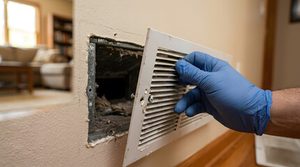
Over time, air ducts naturally accumulate a combination of airborne particles, including dust, pet dander, pollen, mold spores, and microscopic debris carried through everyday airflow. As heating and cooling systems operate continuously, these particles settle and build up inside the ductwork. Without proper cleaning, this buildup can circulate repeatedly throughout a property, contributing to poor air quality and potential respiratory discomfort. Professional Air Duct Cleaning Salt Lake City addresses this hidden issue by thoroughly removing contaminants and restoring cleaner airflow throughout the entire ventilation system.

Why Air Duct Cleanliness Matters for Long-Term Health

Air duct cleanliness is directly tied to indoor air quality, which in turn influences respiratory health, allergy sensitivity, and general comfort. When ducts become heavily contaminated, they can act as reservoirs for pollutants that continuously re-enter living spaces. This can be particularly problematic for individuals with asthma, allergies, or other respiratory conditions, as even small increases in airborne irritants can trigger symptoms or worsen existing issues.

Professional air duct cleaning helps reduce this risk by removing accumulated debris that standard household cleaning cannot reach. Unlike surface cleaning methods, duct cleaning targets hidden pathways where pollutants are most likely to build up over time. By eliminating these contaminants at the source, the overall air circulating within the property becomes noticeably cleaner and healthier.

In addition to improving respiratory conditions, cleaner air ducts may also contribute to better sleep quality, reduced irritation of the eyes and throat, and an overall sense of improved indoor freshness. While these benefits may develop gradually, they reflect the long-term impact of maintaining a clean ventilation system.

How Air Duct Contamination Builds Over Time

Air ducts are not self-cleaning systems, and without maintenance, they gradually accumulate layers of debris. This buildup is often slow and unnoticed, which is why many property owners underestimate its significance. Every time the HVAC system operates, air moves through the ducts, carrying with it microscopic particles that settle along the interior surfaces.

Several common sources contribute to duct contamination:

  1. Household dust and fabric fibers released from furniture, carpets, and textiles.
  2. Pet hair and dander that circulate through indoor airflow.
  3. Pollen and outdoor pollutants entering through doors, windows, or ventilation systems.
  4. Mold spores that develop in humid or poorly ventilated conditions.
  5. Construction dust from renovations or structural modifications.

Over time, these particles combine and form layers of buildup that can restrict airflow and degrade air quality. In some cases, moisture within ducts can lead to microbial growth, further complicating the issue. Professional air duct cleaning addresses these accumulations directly, restoring a more hygienic environment within the ventilation system.

The Role of Professional Air Duct Cleaning in Indoor Air Quality

Professional air duct cleaning involves specialized equipment designed to dislodge and extract contaminants from the ductwork system. High-powered vacuum systems, rotating brushes, and compressed air tools are often used to ensure thorough removal of debris without damaging the internal structure of the ducts. This level of cleaning goes far beyond what standard household tools or DIY methods can achieve.

One of the most important advantages of professional cleaning is the ability to reach deep sections of the duct system where dust and allergens tend to accumulate the most. These hidden areas are typically inaccessible without specialized tools, meaning contaminants can remain in circulation for years if not properly addressed.

Clean ducts contribute to a more balanced airflow throughout the property, allowing the HVAC system to distribute air more efficiently. This not only improves comfort but also helps maintain consistent temperature regulation across different rooms and spaces.

Long-Term Health Benefits of Clean Air Duct Systems

The long-term health benefits of professional air duct cleaning extend beyond immediate improvements in air freshness. Over time, reducing airborne contaminants can support a healthier living environment in several meaningful ways. Cleaner air reduces the strain on the respiratory system and minimizes exposure to irritants that may accumulate unnoticed.

Some of the key long-term health advantages include:

  1. Reduced exposure to allergens that trigger respiratory discomfort.
  2. Lower likelihood of mold-related irritations in moisture-prone environments.
  3. Improved indoor air circulation that supports easier breathing.
  4. Decreased accumulation of airborne dust that can irritate sensitive individuals.
  5. Overall enhancement of indoor environmental hygiene.

These benefits are particularly important for households with children, elderly individuals, or anyone with pre-existing respiratory conditions. However, even healthy individuals may experience improved comfort and well-being in a cleaner air environment over time.

Energy Efficiency and System Performance Improvements

Another often overlooked benefit of professional air duct cleaning is its impact on HVAC system efficiency. When ducts are clogged with dust and debris, airflow becomes restricted, forcing the system to work harder to maintain desired temperature levels. This increased workload can lead to higher energy consumption and unnecessary strain on system components.

Clean ducts allow air to move more freely, improving overall system performance and reducing energy demand. In the long term, this can contribute to lower utility costs and extended HVAC system lifespan. A system that does not have to compensate for restricted airflow experiences less wear and tear, reducing the likelihood of breakdowns and costly repairs.

Additionally, improved airflow consistency helps maintain more stable indoor temperatures, reducing hot and cold spots throughout the property. This creates a more comfortable living environment while ensuring the HVAC system operates at optimal efficiency.

When Professional Air Duct Cleaning Becomes Necessary

While air ducts do not require constant cleaning, there are certain conditions that indicate the need for professional intervention. Recognizing these signs early can help prevent long-term issues related to air quality and system performance.

Common indicators include:

  1. Persistent dust accumulation on furniture shortly after cleaning.
  2. Noticeable musty or stale odors when the HVAC system is running.
  3. Visible dust or debris being released from air vents.
  4. Increased allergy symptoms or respiratory irritation indoors.
  5. Recent renovations or construction activity within the property.

When these signs appear, scheduling professional air duct cleaning can help restore cleaner airflow and prevent further buildup of contaminants within the system.

The Relationship Between Air Duct Cleaning and Preventative Maintenance

Air duct cleaning should be viewed as part of a broader approach to indoor environmental maintenance. While HVAC servicing focuses on mechanical performance and efficiency, duct cleaning addresses the cleanliness of the air distribution pathways. Together, these services create a comprehensive maintenance strategy that supports both system functionality and air quality.

Preventative maintenance that includes periodic duct cleaning helps reduce the likelihood of long-term issues such as mold growth, excessive dust accumulation, and airflow imbalance. It also ensures that the HVAC system operates under optimal conditions, reducing unnecessary stress on mechanical components.

By integrating duct cleaning into a regular maintenance schedule, property owners can create a more stable and controlled indoor environment that supports both health and comfort.

The Long-Term Value of Investing in Air Duct Cleaning

Although air duct cleaning may not always be at the top of a property owner’s maintenance priorities, its long-term value becomes increasingly evident over time. Clean air ducts contribute to a healthier indoor environment, improved HVAC efficiency, reduced energy consumption, and enhanced overall comfort.

Unlike short-term cleaning solutions that address only surface-level concerns, professional air duct cleaning provides a deeper and more lasting impact by targeting hidden contaminants within the ventilation system. This makes it a valuable investment in both property maintenance and occupant well-being.

Over the long term, the benefits of cleaner air ducts accumulate gradually, leading to sustained improvements in air quality, system performance, and indoor comfort. Property owners who prioritize this service often experience fewer air quality complaints, more efficient energy use, and a more pleasant living environment overall.

Conclusion

Professional air duct cleaning plays a vital role in maintaining healthier indoor living environments by addressing one of the most overlooked sources of indoor air pollution. Through the removal of dust, allergens, and other contaminants from the ventilation system, it supports improved air quality, better respiratory health, and enhanced HVAC efficiency.

While its effects may not always be immediately visible, the long-term benefits are significant and far-reaching. Cleaner air ducts contribute to a more comfortable, efficient, and healthier indoor space, making this service an important component of responsible property maintenance. For those seeking to improve both air quality and long-term system performance, professional air duct cleaning remains a valuable and effective solution.

Understanding the Challenges of Basement Lighting

When homeowners think about remodeling a basement, they often focus on flooring, wall finishes, storage solutions, or furniture placement. However, one of the most important and frequently overlooked aspects of a successful basement renovation is lighting. Unlike above-ground living spaces that benefit from large windows and abundant natural light, basements present unique challenges that require careful planning and thoughtful design. Without proper lighting, even a beautifully finished basement can feel dark, cramped, and unwelcoming.

Understanding the challenges of basement lighting is essential for anyone considering a basement renovation or improvement project. The right lighting strategy can transform a gloomy lower level into a bright, comfortable, and functional living space. Whether the basement is intended to serve as a family room, home office, entertainment area, guest suite, fitness room, or multipurpose space, effective lighting plays a critical role in creating an environment that feels inviting and practical. Gain more insights by visiting https://jrcsi.com/.

basement lighting

Why Basement Lighting Is Different

Basements differ from other areas of a home because they are located partially or entirely below ground level. As a result, they often have limited access to natural sunlight. Even basements with small windows typically receive far less daylight than upper-level rooms. This lack of natural illumination creates a unique design challenge that cannot be solved by simply adding a few light fixtures.

Natural light affects how people perceive a space. Bright rooms tend to feel larger, cleaner, and more welcoming, while darker spaces can appear smaller and less comfortable. In a basement environment, artificial lighting must compensate for the absence of sunlight while also creating visual warmth and depth. Achieving this balance requires a more strategic approach than many homeowners initially realize.

Another challenge is that basements often have structural elements such as exposed beams, support columns, ductwork, and lower ceiling heights. These features can create shadows and obstruct the distribution of light throughout the room. Without careful planning, certain areas may remain noticeably darker than others, leading to an uneven and uncomfortable environment.

The Problem of Limited Natural Light

Perhaps the most obvious challenge associated with basement lighting is the limited amount of natural light available. In many homes, basement windows are smaller than standard windows and positioned higher on walls due to the surrounding ground level. This limits both the quantity and quality of daylight entering the space.

Natural light provides benefits that artificial lighting cannot fully replicate. It helps establish a connection to the outdoors, improves mood, and enhances the appearance of colors and textures. When natural light is scarce, basements can feel disconnected from the rest of the home.

Homeowners often attempt to compensate by increasing the brightness of artificial fixtures, but excessive brightness can create a harsh and sterile atmosphere. The goal should not be to overpower the space with light but rather to create a balanced lighting plan that mimics the comfort and warmth of naturally illuminated rooms.

Low Ceilings and Structural Obstacles

Many basements feature lower ceilings than the main living areas of a home. This architectural characteristic presents another major lighting challenge. Large hanging fixtures that may work beautifully in a living room or dining room can make a basement feel even more confined.

In addition, ductwork, pipes, beams, and other structural components can interrupt the flow of light. These obstacles create shadows and dark corners that reduce overall visibility and comfort. Lighting designers often need to work around these constraints while maintaining a cohesive appearance throughout the space.

The placement of fixtures becomes particularly important in basements. Improper positioning can highlight structural imperfections or create uneven illumination. Careful fixture selection and strategic placement help minimize these issues and contribute to a more open and spacious feel.

Creating the Right Lighting Layers

One of the most common mistakes in basement lighting design is relying on a single source of illumination. A central ceiling fixture alone is rarely sufficient to provide comfortable and effective lighting throughout the space.

A successful basement lighting plan typically incorporates multiple layers of illumination. These layers work together to improve functionality and create visual interest.

The three primary lighting layers include:

  1. Ambient lighting for general illumination throughout the room.
  2. Task lighting for specific activities such as reading, working, or exercising.
  3. Accent lighting to highlight architectural features, artwork, or decorative elements.

By combining these layers, homeowners can create a more dynamic and adaptable environment. Layered lighting also helps reduce harsh shadows and improves overall visual comfort.

Eliminating Dark Corners

Dark corners are a common issue in basements due to limited natural light and complex room layouts. These poorly illuminated areas can make the space feel unfinished and smaller than it actually is.

When corners remain dark, they create visual dead zones that interrupt the flow of the room. Even if the rest of the basement is well lit, a few shadowed areas can negatively affect the overall atmosphere.

Addressing this challenge requires thoughtful fixture placement and strategic use of supplemental lighting. Wall-mounted fixtures, floor lamps, and recessed lighting can help distribute light more evenly throughout the space. The objective is to create consistency so that no area feels neglected or disconnected.

Choosing the Right Color Temperature

Lighting color temperature has a significant impact on how a basement feels. Color temperature refers to the warmth or coolness of light produced by a fixture.

Many homeowners underestimate the importance of this factor when designing a basement lighting system. Choosing lighting that is too cool can make the space feel clinical and uninviting, while lighting that is excessively warm may create a dim and enclosed atmosphere.

Finding the right balance is essential. The ideal color temperature often depends on the intended use of the space. A basement home office may benefit from slightly cooler lighting that supports focus and productivity, while a family room may feel more comfortable with warmer tones that encourage relaxation.

Consistency is equally important. Mixing drastically different color temperatures throughout the basement can create visual confusion and reduce overall design cohesion.

Addressing Moisture and Environmental Conditions

Basements are naturally more susceptible to moisture and humidity than above-ground living spaces. These environmental conditions can influence lighting choices and installation methods.

Moisture exposure can affect electrical components, reduce fixture lifespan, and create potential safety concerns if not properly addressed. For this reason, lighting systems installed in basements should be selected with durability and environmental performance in mind.

Proper ventilation and moisture management should accompany any basement lighting project. Ignoring these factors may lead to recurring maintenance issues and compromise the long-term reliability of the lighting system.

Balancing Functionality and Aesthetics

Another challenge in basement lighting design is balancing practical illumination with visual appeal. A basement must be functional enough to support daily activities while also feeling comfortable and attractive.

Many homeowners focus heavily on brightness without considering aesthetics. While sufficient illumination is essential, lighting should also contribute to the overall design of the space. Fixtures, placement, and light distribution all influence how the basement looks and feels.

Effective lighting design enhances architectural features, improves spatial perception, and supports the intended purpose of the room. Whether the goal is entertainment, work, relaxation, or recreation, lighting should complement the space rather than simply illuminate it.

Adapting Lighting to Different Basement Uses

Modern basements often serve multiple functions. A single basement may include a television area, exercise zone, workspace, storage section, and guest accommodations. Each area has different lighting requirements.

For example:

  1. Entertainment spaces typically benefit from adjustable lighting that supports both social gatherings and media viewing.
  2. Home offices require consistent task lighting to reduce eye strain and improve productivity.
  3. Fitness areas often need brighter illumination for safety and visibility.
  4. Guest rooms should provide comfortable lighting that promotes relaxation.

Because of these varying needs, flexibility is a key component of successful basement lighting design. Adjustable fixtures and multiple lighting zones allow the space to adapt to changing activities and preferences.

The Importance of Professional Planning

While lighting may appear straightforward at first glance, basement environments often present complexities that require careful evaluation. Electrical infrastructure, ceiling height limitations, structural obstacles, and room functionality all influence the effectiveness of a lighting plan.

Professional planning helps identify potential challenges before installation begins. A well-designed lighting system considers not only immediate needs but also future adaptability. This proactive approach reduces costly modifications and ensures that the finished basement remains comfortable and functional for years to come.

Conclusion

Understanding the challenges of basement lighting is essential for creating a lower-level space that feels bright, welcoming, and fully integrated with the rest of the home. Unlike above-ground rooms, basements face unique obstacles including limited natural light, lower ceilings, structural obstructions, moisture concerns, and varying functional requirements. These factors make lighting one of the most important aspects of basement design.

A successful basement lighting strategy goes beyond simply adding fixtures. It involves layering different types of light, eliminating dark corners, selecting appropriate color temperatures, addressing environmental conditions, and tailoring illumination to the specific needs of the space. When these elements are carefully planned and executed, a basement can be transformed from a dark and underutilized area into one of the most comfortable and valuable spaces in the home.

By recognizing and addressing the challenges of basement lighting early in the remodeling process, homeowners can create a basement that is not only functional but also visually appealing, energy-efficient, and enjoyable to use every day.

Navigation