Author: Leila Howard

How Much Does Fire Damage Restoration Cost?

Homeowners face a long list of costs when it comes to Fire Damage Restoration Salt Lake City, and these expenses can feel overwhelming. But understanding the rates involved in restoring a property and what impacts them can help homeowners budget accordingly.

The price of fire and smoke restoration varies depending on the type of damage, its severity, and whether any structural issues need addressing. There are also a few other factors that affect cost.

Costs for Smoke Cleanup
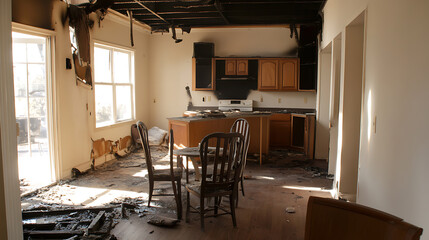
Fire Damage Restoration

As any homeowner who has dealt with fire damage knows, there’s a lot to do after a house fire. From cleaning and rebuilding to restoring personal belongings, fire damage restoration can be expensive. However, there are things homeowners can do to help control costs and ensure that insurance covers everything they need to restore their home.

The first thing to consider when estimating fire restoration costs is the cost of smoke and soot cleanup. Smoke and soot can damage furniture, carpeting, electronics, and other items. Depending on how severe the damage is, these items may need to be completely replaced or cleaned.

Next, there are the costs associated with water damage repair and restoration. Firefighting operations use a large amount of water to extinguish the fire, and this water can cause significant damage. Contractors need to remove this water and dry the affected areas before structural repairs can begin.

There are also the costs associated with odor removal and deodorization. The smell of lingering smoke can be extremely unpleasant and must be addressed before residents can return to their homes. This includes removing odors from furniture, floors, and walls. In addition, the odor can linger in carpeting and clothing. There are a variety of odor removal services available, with some costing as little as $200 while others can be over $600.

Finally, there are the costs associated with structural repairs and reconstruction. The heat from a house fire can weaken or warp materials like wood and metal, leading to costly structural repairs. In some cases, this can require replacing beams or reconstructing entire rooms. Other times, it might just mean reinforcing existing structures.

Homeowners should also consider the impact on their home’s value after a house fire. Although the damage caused by fire can decrease property value, it is possible to recover this loss through proper restoration and careful documentation of all damage. By working with a licensed restoration company, homeowners can be sure that all damage is documented and addressed in order to maximize their insurance coverage.

Homeowners can expect to pay between $2,900 and $38,322 for a home restoration after a fire. These costs include emergency board up, fire and soot cleanup, water damage repair, odor removal, contents handling, and reconstruction.

Costs for Soot Removal

As a homeowner, you need to know how much it costs to fix fire damage in order to make the right financial decisions. These include figuring out how much to spend on cleaning and soot removal, structural repairs, and personal item replacements. These expenses are necessary to get your home back in shape and safe for habitation again.

Cleaning and soot removal are important to the restoration process, but they are only a small part of the overall cost. The rest of the costs are associated with structural repairs, odor removal, and reconstruction. These costs can vary widely depending on the size of your house, what got damaged by the fire, and how much smoke penetration occurred.

If the fire was caused by grease or other greasy substances, soot cleanup can be more expensive. This is because the oily soot can be difficult to remove, especially from hard surfaces like floors. It is also more likely that oily soot will remain on surfaces after the clean-up process, leading to lingering odors.

Water damage from firefighting efforts can also be a significant contributor to the cost of fire restoration. This includes the cost of removing standing water and ensuring that all affected areas are completely dry to prevent mold growth and other secondary damage. This can be a costly addition to the overall restoration process because water damage repair specialists typically charge by the hour.

Other parts of the restoration process that can add to the cost of cleaning up after a fire are chemical damage restoration and ozone treatment. These services can cost $200 to $585, and they are often required for things like repairing stains on furniture or carpeting and fixing odors that are stuck in soft materials.

Another cost to consider is the cost of refinishing or replacing wooden surfaces. This is usually the most expensive part of the fire damage restoration process and can cost up to $20,000 for a whole room. It is important to note that these costs are not included in the average cleaning and restoration estimate for a fire-damaged property, so they should be budgeted separately.

Costs for Structural Repairs

When it comes to repairing damage from fire, restoration crews must clean, sanitize, and sometimes rebuild parts of the home. This can be expensive, but it’s essential to do if you want your house to be livable again.

Costs can vary widely based on the severity of the fire damage and what work is needed. Cleanup and reconstruction costs can range from a few thousand dollars for minor damage to over $50,000 for extensive structural repairs. It’s important to understand the different types of costs involved so that you can budget accordingly.

Insurance coverage: If you have fire damage insurance, it will cover some or all of the costs of restoration. This will reduce your out-of-pocket expenses and give you peace of mind.

Time: The faster restoration starts, the lower your costs will be. If you delay it too long, your restoration costs will increase as the damage worsens.

Type of fire: Different kinds of fires cause different kinds of damage. For example, class A fires are typically simpler and cheaper to restore than class K fires, which are caused by cooking oils and other flammable liquids. These are more complex and require specialized cleaning equipment and safety protocols.

Location: The cost of restoring a house in a city is usually higher than a house in the country due to materials, labor costs, and local taxes. Restoration companies may also charge more for travel to cities and suburban areas.

Accessibility: Difficult-to-access areas, such as attics and crawl spaces, can make the restoration process longer and more expensive. These areas might be harder to clean or repair, and they can also be more prone to moisture buildup, which increases the overall restoration costs.

Pre-existing conditions: If your house has issues that could be exacerbated by the fire, such as old wiring or weak structures, these will need to be fixed before restoration can begin. This can add a lot to the total cost of fire restoration.

Costs for Reconstruction

After the flames have been extinguished and the smoke cleared, a restoration company must perform a variety of tasks to restore your property. This includes cleaning up the damage caused by the fire, repairing structural components, and even rebuilding portions of your property if necessary. The costs associated with these services can vary widely depending on the extent of the damage and your specific needs. Having an idea of what to expect can help you plan for the potential cost of fire damage restoration, so you can budget accordingly.

The exact fire restoration costs will depend on the extent of the damage, the size of the affected area, and the complexity of the repairs required. The costs will also vary based on whether items can be cleaned and salvaged or need to be replaced. A professional fire restoration company can provide a detailed assessment of your property and determine the estimated repair costs, helping you to avoid any surprises when it comes time to pay for the services.

It’s important to note that the restoration process typically takes a while, so you’ll need to factor in the time it will take for your home or business to be restored to normal. The length of the restoration will also be determined by any permitting requirements and material availability. In some cases, structural repairs may take several months to complete.

Fire restoration companies usually charge between $4 and $7 per square foot on average. This can add up quickly if your home has extensive damage. For example, a house fire involving ordinary combustibles like wood and paper would be more straightforward to clean up than one that involves oily cooking oils and grease.

While it is tempting to try and save money by handling the cleanup and restoration work on your own or with the help of a handyman, doing so can lead to significant delays in the restoration process and increase your restoration costs. In addition, DIY jobs may fail to address all aspects of the damage and could cause further issues in the future.
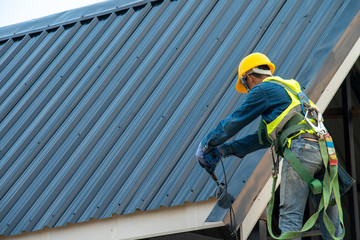
How Regular Roof Maintenance Saves You Money in the Long Run

Roof Maintenance

A roof is more than just the top layer of your home; it is the first line of defense against weather, pests, and environmental damage. Despite its critical role, many homeowners overlook regular roof maintenance, assuming that their roofs are built to last without much attention. However, this assumption can be costly. Neglecting your roof often leads to expensive repairs, reduced property value, and even structural damage.

In contrast, consistent roof maintenance can save significant money over time. This article explores how regular roof care protects your investment, prevents costly damage, and extends the lifespan of your roof. Contact Cedar Park Roofing Pro for more information.

Understanding Roof Maintenance

Roof maintenance is the process of inspecting, cleaning, and repairing a roof on a routine basis to ensure it functions properly and lasts as long as possible. It is more than simply checking for leaks; it includes evaluating shingles or tiles, gutters, flashing, and structural integrity. Maintenance activities may involve removing debris, resealing edges, replacing damaged shingles, and clearing gutters to prevent water damage. While some maintenance tasks are simple enough for homeowners to handle, others may require professional inspection and repair. Regardless of who performs it, the goal is the same: to prevent minor issues from turning into costly problems.

The Hidden Costs of Neglecting Roof Maintenance

Many homeowners delay or ignore roof maintenance, often to save money in the short term. Unfortunately, this approach usually backfires. Small issues like missing shingles, clogged gutters, or minor leaks may seem insignificant at first but can quickly escalate into serious problems. Water infiltration, for instance, can damage the roof deck, insulation, and even the interior structure of your home. Mold growth and wood rot may develop, leading to expensive repairs that could have been prevented with timely maintenance.

Another hidden cost of neglecting your roof is energy inefficiency. A poorly maintained roof can result in gaps and leaks that allow heat to escape in winter and cool air to escape in summer. This forces your heating and cooling systems to work harder, driving up utility bills. Over time, these hidden energy costs can add up to a substantial financial burden.

How Regular Maintenance Reduces Repair Costs

The primary financial benefit of regular roof maintenance is the reduction of costly repairs. Routine inspections help identify small problems before they escalate. For example:

  • Shingle Replacement: A few missing or damaged shingles can be replaced quickly and inexpensively. Ignoring them may lead to widespread water damage requiring extensive shingle replacement and structural repairs.
  • Leak Prevention: Small leaks can be sealed early, preventing water from penetrating the roof deck and causing damage to insulation, ceilings, and walls.
  • Gutter Maintenance: Cleaning and repairing gutters ensures water is directed away from the roof and foundation, reducing the risk of erosion, basement flooding, and foundation damage.
  • Flashing and Sealant Checks: Regular inspections of roof flashing and sealants around vents, chimneys, and skylights prevent water intrusion that can lead to rot and structural compromise.

By addressing these issues promptly, homeowners can avoid emergency repairs, which are often more expensive than routine maintenance due to labor, materials, and urgency.

Extending Roof Lifespan

Another way regular maintenance saves money is by extending the life of your roof. Every roof has a lifespan depending on the materials used—shingles, tiles, metal, or other materials. Proper maintenance can prevent premature aging and deterioration, allowing you to maximize the roof’s lifespan. For instance, a roof that is consistently maintained may last 20–30% longer than one that is neglected. Delaying replacement by even a few years can result in significant savings, as the cost of a new roof is substantially higher than routine maintenance.

Moreover, well-maintained roofs maintain their aesthetic appeal. A roof in good condition enhances curb appeal, which is beneficial if you plan to sell your home. Homes with damaged roofs often experience reduced market value, and prospective buyers may request costly repairs as a condition of sale.

Energy Efficiency and Cost Savings

A well-maintained roof is also an energy-efficient roof. Roof maintenance ensures proper insulation and ventilation, which prevents heat loss in winter and heat gain in summer. Cleaning debris from the roof and gutters, repairing leaks, and replacing damaged shingles help maintain the roof’s insulating properties. By keeping your home properly insulated, you reduce the strain on your heating and cooling systems, resulting in lower energy bills.

Additionally, certain maintenance tasks, such as inspecting reflective coatings or installing protective barriers, can enhance energy efficiency. Reflective roof coatings, for example, reduce heat absorption, keeping indoor temperatures cooler in warm months. This not only lowers energy consumption but also increases comfort and reduces wear on HVAC systems.

Preventing Water Damage and Mold Growth

Water damage is one of the most common and expensive roof-related problems. It can lead to structural issues, compromise electrical systems, and cause mold growth. Mold, in particular, poses serious health risks and can require costly remediation. Regular roof maintenance addresses water infiltration before it becomes a significant problem. By inspecting and repairing leaks, replacing damaged shingles, and maintaining gutters, homeowners can prevent water from seeping into the roof deck or interior spaces.

Additionally, moisture trapped in attics or under shingles can accelerate wood rot, weaken structural supports, and increase the risk of roof collapse in severe cases. Preventative maintenance reduces the likelihood of such scenarios, saving both money and stress.

Avoiding Emergency Repairs

Emergency roof repairs are often the most expensive due to the urgency and labor involved. When damage occurs suddenly—such as a severe leak during a storm—contractors may charge premium rates, and replacement materials might be limited. Regular maintenance helps prevent these emergencies by identifying weak points and addressing them proactively. Routine inspections and minor repairs ensure that your roof remains in good condition, reducing the likelihood of sudden, costly problems.

Insurance Benefits and Peace of Mind

Insurance companies often consider roof maintenance when assessing coverage and claims. A well-maintained roof is less likely to suffer catastrophic damage, which may result in lower premiums over time. In some cases, failure to maintain a roof properly can even lead to denied insurance claims. By investing in regular maintenance, homeowners protect their financial interests and gain peace of mind knowing their home is well-protected.

Cost-Benefit Analysis

Although roof maintenance incurs some costs, the savings often outweigh the expenses. A typical maintenance plan might include inspections twice a year, minor repairs, and cleaning gutters. These costs are minimal compared to the expense of a full roof replacement or extensive water damage repair. In addition, preventive maintenance may increase the lifespan of shingles or tiles, meaning you won’t need to replace the roof as soon as expected. Over time, this translates into significant financial savings, making maintenance a smart investment.

Tips for Effective Roof Maintenance

To maximize the financial benefits of roof maintenance, consider the following strategies:

  1. Schedule Regular Inspections: Inspect your roof at least twice a year, ideally in spring and fall, to identify and address potential issues.
  2. Clean Gutters and Downspouts: Ensure water flows away from your roof and foundation to prevent leaks and water damage.
  3. Trim Overhanging Branches: Tree branches can damage shingles, introduce debris, and create pathways for pests.
  4. Check for Signs of Wear: Look for curling, cracked, or missing shingles, as well as damaged flashing and sealants.
  5. Address Minor Repairs Promptly: Fixing small problems early prevents them from developing into major issues.
  6. Hire Professionals When Needed: Certain tasks, such as inspecting structural integrity or repairing extensive damage, should be handled by experienced roof professionals.

Conclusion

Investing in regular roof maintenance is one of the most effective ways to save money as a homeowner. By preventing minor issues from escalating into costly repairs, extending the lifespan of your roof, improving energy efficiency, and avoiding emergency situations, maintenance provides long-term financial benefits. Beyond cost savings, it also ensures the safety, comfort, and value of your home.

Neglecting your roof may seem convenient in the short term, but it often results in significant expenses and stress later. Proactive roof care is not merely an expense; it is an investment that protects your home, your wallet, and your peace of mind. By committing to regular inspections and maintenance, homeowners can ensure that their roofs remain strong, functional, and reliable for years to come.

Visit our Professional Services Blogs

Smart Choice Plumbing And Air, Sanitize My Airducts, Bethesda Locksmith, Golden Coast Cleaners, Advanced Concrete Staining, Home Pool Cleaners, Brayhines Septic, Shaka Pool And Spa Cleaning,Mr Clean And Shine, Best Appliance Repair Long Beach, Gulf to Bay Water Remediation, Garage Door San Francisco, Richmond Flooring, Fence Builders Woodlands, Colorado Springs Auto, Fuel Frontlines, Expert 24 Option, Sacramento Roseville Real Estate, SLO Homes, Philadelphia Towing, State Powerwashing, Truck Tires Worldwide, Website Translation, Construction Company Farmington NM, Green Home Los Angeles, Trinity SEO Marketing, Electric Fireplaces, Argos Bookkeeping, Christopherson Drywall,Garage Door Installation, Missouri Personal Injury Lawyer Blog, Alvins Auto Body, Carpet Care Pros, Las Vegas Concrete, Clark Concrete Company, Deck Builders Missour City, Lechleitner Builders, Medical Health Insurance Policy, Royal Siding Windows, Carpet Steam Cleaners Review, Go Greeen Lawn Painting, Oakwood Skate Deck, Texas Home Remodeling And Painting, USA Home Repair Remodeling, Dream Home Remodeling Services, Brent Lawn Homes, Great Ernm Homes, Accelerated Orthodontic, Arctic Cooling And Heating, Baltimore Heating And Airconditioning

Navigation