Roofing Maintenance Guide: Protecting Your Home and Extending Roof Lifespan

Look up at your roof for a moment and consider how much it does without ever asking for attention. It shields your home from heavy rain, intense sunlight, strong winds, and seasonal temperature changes. Day after day, year after year, your roof stands as the first line of defense against the elements. Yet it is often one of the most overlooked parts of a home.

Oregon Roofing maintenance is not just a routine task. It is a crucial investment that protects your property, preserves structural integrity, and prevents costly repairs.

Why Roofing Maintenance Is Essential

Roofing Maintenance

A roof is constantly exposed to environmental stress. Over time, even the most durable materials can begin to wear down. Small issues such as loose shingles or minor leaks may seem insignificant at first, but they can quickly develop into serious structural problems if ignored.

Regular roofing maintenance helps identify early signs of damage before they escalate. Water intrusion is one of the most common and damaging consequences of neglected roofs. When moisture penetrates beneath shingles or tiles, it can weaken the underlying structure, cause mold growth, and damage insulation.

Maintaining your roof also preserves its lifespan. Most roofing systems are designed to last for decades, but without proper care, their durability can be significantly reduced. Routine inspections and minor repairs ensure that the roof continues to perform effectively.

In addition to structural protection, a well maintained roof enhances energy efficiency. Gaps, cracks, or damaged flashing can allow air to escape, increasing heating and cooling costs. Addressing these issues supports better temperature regulation within the home.

Common Roofing Problems and Warning Signs

Understanding the typical signs of roofing damage is key to effective maintenance. One of the most visible indicators is missing or damaged shingles. Shingles that are cracked, curled, or loose can no longer provide full protection against moisture.

Granule loss is another warning sign. Asphalt shingles often shed granules as they age, which can accumulate in gutters. Excessive granule loss may indicate that the shingles are nearing the end of their lifespan.

Water stains on ceilings or walls inside the home often signal a roof leak. Even small discolorations should be investigated promptly. Leaks can originate from damaged shingles, deteriorated flashing, or clogged drainage systems.

Sagging areas on the roof may indicate structural issues beneath the surface. This could result from prolonged moisture exposure or weakened support beams. Addressing sagging early prevents further damage and costly repairs.

Clogged gutters and downspouts also contribute to roofing problems. When water cannot drain properly, it may back up onto the roof, increasing the risk of leaks and deterioration.

Seasonal Roofing Maintenance Tips

Roofing maintenance should be performed consistently throughout the year, with attention to seasonal changes. Each season presents unique challenges that affect roof performance.

In the spring, inspect the roof for damage caused by winter weather. Snow, ice, and strong winds can loosen shingles or damage flashing. Clearing debris and checking for visible cracks ensures the roof is ready for warmer months.

Summer heat can cause roofing materials to expand and contract. Prolonged exposure to high temperatures may accelerate wear. Inspecting for signs of warping or blistering helps maintain durability.

Autumn is an important time for gutter cleaning. Falling leaves can accumulate quickly, blocking water flow and increasing the risk of moisture buildup. Ensuring that gutters are clear supports proper drainage.

Winter presents its own risks, particularly in colder climates. Ice buildup along roof edges can trap water and force it beneath shingles. Regular monitoring during winter months helps identify potential ice related issues before they cause damage.

By adapting roofing maintenance to seasonal conditions, homeowners can address problems proactively and extend the life of their roof.

The Role of Professional Roof Inspections

While homeowners can perform basic visual checks, professional roof inspections provide a deeper level of evaluation. Experienced roofing professionals understand how to identify subtle signs of wear that may not be immediately obvious.

A professional inspection typically includes an assessment of shingles, flashing, vents, gutters, and structural components. Inspectors may also examine attic spaces to check for signs of moisture intrusion or ventilation issues.

Early detection of minor problems allows for timely repairs, which are often far less expensive than major restoration projects. For example, replacing a few damaged shingles is significantly more affordable than repairing water damage caused by a prolonged leak.

Professional inspections are especially important after severe weather events. High winds, hail, and heavy storms can cause hidden damage that compromises roof integrity. Scheduling an inspection following extreme conditions provides reassurance and prevents overlooked issues.

In addition to safety benefits, documented inspections can support warranty requirements and insurance claims if damage occurs.

Preventative Maintenance and Long Term Savings

Preventative roofing maintenance offers significant financial advantages. Addressing minor repairs promptly reduces the likelihood of extensive structural damage. Investing in regular upkeep is far more cost effective than replacing an entire roof prematurely.

Sealing small cracks, reinforcing flashing, and replacing worn shingles extend the overall lifespan of the roofing system. Routine cleaning of gutters and removal of debris also contribute to long term performance.

Proper attic ventilation is another aspect of preventative care. Adequate airflow prevents heat and moisture buildup, which can weaken roofing materials and promote mold growth. Ensuring that vents are clear and functioning properly supports overall roof health.

Tree maintenance also plays a role in roof preservation. Overhanging branches can scrape shingles or drop debris onto the roof surface. Trimming nearby trees reduces the risk of damage and limits leaf accumulation.

By viewing roofing maintenance as an ongoing responsibility rather than a one time task, homeowners protect their investment and avoid unexpected expenses.

Safety Considerations During Roofing Maintenance

Roof maintenance involves certain safety risks. Climbing onto a roof without proper equipment or experience can lead to accidents. Slippery surfaces, steep slopes, and unstable ladders increase the potential for injury.

Homeowners who choose to perform minor maintenance should use caution and follow safety guidelines. Wearing appropriate footwear, using stable ladders, and avoiding work during wet or windy conditions are essential precautions.

For more complex tasks such as structural repairs or high elevation inspections, hiring trained professionals is recommended. Experienced roofing technicians have the tools and safety equipment necessary to perform work efficiently and securely.

Prioritizing safety ensures that maintenance efforts protect both the roof and the individuals performing the work.

Conclusion: Preserving Your Home from the Top Down

Roofing maintenance is one of the most important aspects of home care. A well maintained roof protects against weather damage, supports energy efficiency, and extends the life of the entire structure. By recognizing early warning signs, adapting maintenance to seasonal changes, and scheduling professional inspections, homeowners can prevent costly repairs and ensure long term durability.

Your roof works tirelessly to shield your home from the elements. With consistent care and attention, it can continue to provide reliable protection for many years. Investing in roofing maintenance today safeguards your property and offers peace of mind for the future.
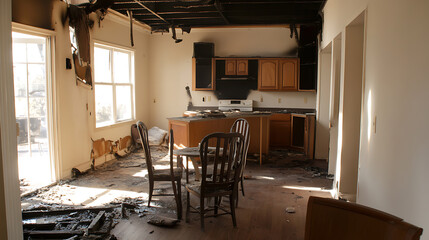
How Much Does Fire Damage Restoration Cost?

Homeowners face a long list of costs when it comes to Fire Damage Restoration Salt Lake City, and these expenses can feel overwhelming. But understanding the rates involved in restoring a property and what impacts them can help homeowners budget accordingly.

The price of fire and smoke restoration varies depending on the type of damage, its severity, and whether any structural issues need addressing. There are also a few other factors that affect cost.

Costs for Smoke Cleanup

Fire Damage Restoration

As any homeowner who has dealt with fire damage knows, there’s a lot to do after a house fire. From cleaning and rebuilding to restoring personal belongings, fire damage restoration can be expensive. However, there are things homeowners can do to help control costs and ensure that insurance covers everything they need to restore their home.

The first thing to consider when estimating fire restoration costs is the cost of smoke and soot cleanup. Smoke and soot can damage furniture, carpeting, electronics, and other items. Depending on how severe the damage is, these items may need to be completely replaced or cleaned.

Next, there are the costs associated with water damage repair and restoration. Firefighting operations use a large amount of water to extinguish the fire, and this water can cause significant damage. Contractors need to remove this water and dry the affected areas before structural repairs can begin.

There are also the costs associated with odor removal and deodorization. The smell of lingering smoke can be extremely unpleasant and must be addressed before residents can return to their homes. This includes removing odors from furniture, floors, and walls. In addition, the odor can linger in carpeting and clothing. There are a variety of odor removal services available, with some costing as little as $200 while others can be over $600.

Finally, there are the costs associated with structural repairs and reconstruction. The heat from a house fire can weaken or warp materials like wood and metal, leading to costly structural repairs. In some cases, this can require replacing beams or reconstructing entire rooms. Other times, it might just mean reinforcing existing structures.

Homeowners should also consider the impact on their home’s value after a house fire. Although the damage caused by fire can decrease property value, it is possible to recover this loss through proper restoration and careful documentation of all damage. By working with a licensed restoration company, homeowners can be sure that all damage is documented and addressed in order to maximize their insurance coverage.

Homeowners can expect to pay between $2,900 and $38,322 for a home restoration after a fire. These costs include emergency board up, fire and soot cleanup, water damage repair, odor removal, contents handling, and reconstruction.

Costs for Soot Removal

As a homeowner, you need to know how much it costs to fix fire damage in order to make the right financial decisions. These include figuring out how much to spend on cleaning and soot removal, structural repairs, and personal item replacements. These expenses are necessary to get your home back in shape and safe for habitation again.

Cleaning and soot removal are important to the restoration process, but they are only a small part of the overall cost. The rest of the costs are associated with structural repairs, odor removal, and reconstruction. These costs can vary widely depending on the size of your house, what got damaged by the fire, and how much smoke penetration occurred.

If the fire was caused by grease or other greasy substances, soot cleanup can be more expensive. This is because the oily soot can be difficult to remove, especially from hard surfaces like floors. It is also more likely that oily soot will remain on surfaces after the clean-up process, leading to lingering odors.

Water damage from firefighting efforts can also be a significant contributor to the cost of fire restoration. This includes the cost of removing standing water and ensuring that all affected areas are completely dry to prevent mold growth and other secondary damage. This can be a costly addition to the overall restoration process because water damage repair specialists typically charge by the hour.

Other parts of the restoration process that can add to the cost of cleaning up after a fire are chemical damage restoration and ozone treatment. These services can cost $200 to $585, and they are often required for things like repairing stains on furniture or carpeting and fixing odors that are stuck in soft materials.

Another cost to consider is the cost of refinishing or replacing wooden surfaces. This is usually the most expensive part of the fire damage restoration process and can cost up to $20,000 for a whole room. It is important to note that these costs are not included in the average cleaning and restoration estimate for a fire-damaged property, so they should be budgeted separately.

Costs for Structural Repairs

When it comes to repairing damage from fire, restoration crews must clean, sanitize, and sometimes rebuild parts of the home. This can be expensive, but it’s essential to do if you want your house to be livable again.

Costs can vary widely based on the severity of the fire damage and what work is needed. Cleanup and reconstruction costs can range from a few thousand dollars for minor damage to over $50,000 for extensive structural repairs. It’s important to understand the different types of costs involved so that you can budget accordingly.

Insurance coverage: If you have fire damage insurance, it will cover some or all of the costs of restoration. This will reduce your out-of-pocket expenses and give you peace of mind.

Time: The faster restoration starts, the lower your costs will be. If you delay it too long, your restoration costs will increase as the damage worsens.

Type of fire: Different kinds of fires cause different kinds of damage. For example, class A fires are typically simpler and cheaper to restore than class K fires, which are caused by cooking oils and other flammable liquids. These are more complex and require specialized cleaning equipment and safety protocols.

Location: The cost of restoring a house in a city is usually higher than a house in the country due to materials, labor costs, and local taxes. Restoration companies may also charge more for travel to cities and suburban areas.

Accessibility: Difficult-to-access areas, such as attics and crawl spaces, can make the restoration process longer and more expensive. These areas might be harder to clean or repair, and they can also be more prone to moisture buildup, which increases the overall restoration costs.

Pre-existing conditions: If your house has issues that could be exacerbated by the fire, such as old wiring or weak structures, these will need to be fixed before restoration can begin. This can add a lot to the total cost of fire restoration.

Costs for Reconstruction

After the flames have been extinguished and the smoke cleared, a restoration company must perform a variety of tasks to restore your property. This includes cleaning up the damage caused by the fire, repairing structural components, and even rebuilding portions of your property if necessary. The costs associated with these services can vary widely depending on the extent of the damage and your specific needs. Having an idea of what to expect can help you plan for the potential cost of fire damage restoration, so you can budget accordingly.

The exact fire restoration costs will depend on the extent of the damage, the size of the affected area, and the complexity of the repairs required. The costs will also vary based on whether items can be cleaned and salvaged or need to be replaced. A professional fire restoration company can provide a detailed assessment of your property and determine the estimated repair costs, helping you to avoid any surprises when it comes time to pay for the services.

It’s important to note that the restoration process typically takes a while, so you’ll need to factor in the time it will take for your home or business to be restored to normal. The length of the restoration will also be determined by any permitting requirements and material availability. In some cases, structural repairs may take several months to complete.

Fire restoration companies usually charge between $4 and $7 per square foot on average. This can add up quickly if your home has extensive damage. For example, a house fire involving ordinary combustibles like wood and paper would be more straightforward to clean up than one that involves oily cooking oils and grease.

While it is tempting to try and save money by handling the cleanup and restoration work on your own or with the help of a handyman, doing so can lead to significant delays in the restoration process and increase your restoration costs. In addition, DIY jobs may fail to address all aspects of the damage and could cause further issues in the future.

Understanding the Challenges of Basement Lighting

Basement Lighting

Basements are typically built below ground level, which restricts access to windows and daylight. Even finished basements with small windows may receive minimal natural light, making the space feel dark or enclosed if lighting is not handled properly.

Low ceilings, exposed beams, and structural elements can further limit lighting options. Basements may also serve multiple functions, each requiring different lighting needs. Understanding these challenges is the first step in creating effective basement lighting solutions. The goal is to compensate for the lack of natural light while avoiding harsh or uneven illumination. Visit https://jrcsi.com/ for more information.

Importance of Proper Lighting in Basements

Lighting plays a critical role in how a basement feels and functions. Poor lighting can make a space feel cramped, uninviting, and uncomfortable. In contrast, good lighting can transform a basement into an extension of the home that feels just as welcoming as above ground rooms.

Proper lighting improves safety by reducing shadows and dark corners. It also enhances productivity in work areas and relaxation in living spaces. Well designed lighting contributes to both practicality and aesthetics.

For basements with limited natural light, lighting becomes one of the most important design elements.

Layered Lighting Approach

One of the most effective basement lighting solutions is using a layered lighting approach. This method combines multiple types of lighting to create balanced and adaptable illumination.

Ambient lighting provides overall brightness and forms the foundation of the lighting plan. Task lighting focuses on specific activities such as reading, working, or cooking. Accent lighting adds visual interest and highlights architectural features or décor.

Layering these elements allows the basement to feel dynamic and comfortable rather than flat or overly bright.

Recessed Lighting for Low Ceilings

Recessed lighting is a popular choice for basements, especially those with low ceilings. These fixtures are installed flush with the ceiling, providing light without taking up headroom or creating visual clutter.

Recessed lights distribute light evenly across the space, helping eliminate dark areas. Spacing and placement are important to avoid uneven illumination. Using dimmable recessed lights allows for flexibility depending on the activity or mood.

This type of lighting works well for general illumination in spaces with limited natural light.

LED Lighting for Brightness and Efficiency

LED lighting is an excellent solution for basements due to its brightness, energy efficiency, and versatility. LEDs produce strong, consistent light without generating excessive heat, making them suitable for enclosed spaces.

LED fixtures are available in a range of color temperatures. Choosing a warmer white can create a cozy atmosphere, while neutral or cooler whites can mimic daylight and make the space feel brighter.

LED strip lighting is also popular for under cabinets, shelves, or along architectural features, adding subtle illumination and depth.

Using Light Color and Reflective Surfaces

The color of light and surrounding surfaces has a significant impact on basement brightness. Light colored walls, ceilings, and flooring reflect light more effectively, helping the space feel brighter.

Choosing light paint colors and finishes enhances the effectiveness of artificial lighting. Glossy or semi gloss finishes can further increase reflectivity without being overwhelming.

Mirrors and reflective décor elements can also help distribute light throughout the basement, creating the illusion of a brighter and more open space.

Pendant and Surface Mounted Lighting Options

In basements with higher ceilings or designated zones, pendant or surface mounted lighting can add style and focused illumination. These fixtures work well over seating areas, game tables, or kitchen islands.

When using pendant lighting in a basement, scale and placement are important to avoid making the ceiling feel lower. Choosing fixtures with open or transparent designs helps maintain a sense of openness.

Surface mounted fixtures provide an alternative where recessed lighting is not feasible due to structural limitations.

Task Lighting for Functional Areas

Basements often include functional areas that require focused lighting. Home offices, workshops, laundry rooms, and exercise areas benefit from task lighting that provides adequate brightness without glare.

Desk lamps, under cabinet lights, and adjustable fixtures allow for precise illumination. Task lighting should be positioned to minimize shadows and support specific activities.

Providing adequate task lighting improves usability and comfort in basement spaces with limited natural light.

Accent Lighting to Add Depth and Interest

Accent lighting adds dimension and visual interest to basement spaces. Wall sconces, picture lights, and LED strips can highlight artwork, architectural features, or textured walls.

Accent lighting helps break up large spaces and create focal points. It also reduces the flatness that can occur when relying solely on overhead lighting.

By adding layers of light, accent lighting makes basements feel more dynamic and inviting.

Color Temperature and Mood

Choosing the right color temperature is essential in basements with limited natural light. Cool white light can feel bright but may create a sterile atmosphere if overused. Warm white light adds comfort but may not provide enough brightness alone.

A balanced approach often works best. Combining neutral ambient lighting with warmer accent and task lighting creates a natural and comfortable feel.

Understanding how color temperature affects mood helps create a basement environment that feels intentional and pleasant.

Smart Lighting Controls

Smart lighting systems offer flexibility and convenience for basement lighting. Dimmers, timers, and smart switches allow homeowners to adjust lighting levels easily.

Smart lighting can be programmed for different activities or times of day, enhancing comfort and energy efficiency. For example, brighter lighting may be used during work hours, while softer lighting suits movie nights or relaxation.

Smart controls help adapt basement lighting to changing needs and preferences.

Addressing Dark Corners and Hallways

Basements often have corners or hallways that receive little light. These areas can feel uninviting or unsafe if not properly illuminated.

Adding wall sconces, floor lamps, or recessed lights in these areas improves visibility and flow. Lighting stairways and entry points is especially important for safety.

Addressing dark spots ensures consistent illumination throughout the basement.

Lighting for Basement Entertainment Spaces

Basements are commonly used for entertainment, such as home theaters or game rooms. These spaces require flexible lighting that supports different activities.

Dimmable lights allow for transitions between bright and low light settings. Indirect lighting, such as cove lighting or LED strips, enhances ambiance without causing glare on screens.

Thoughtful lighting design enhances the entertainment experience in basement spaces.

Safety and Code Considerations

Basement lighting must comply with electrical codes and safety standards. Proper wiring, grounded outlets, and moisture resistant fixtures are essential.

Working with a licensed electrician ensures safe installation and compliance. This is especially important in basements where humidity levels may be higher.

Safety considerations protect both the space and its occupants.

Planning Basement Lighting Layouts

Planning is key to effective basement lighting solutions. Homeowners should consider how the space will be used and where lighting is needed most.

Creating a lighting plan that includes ambient, task, and accent lighting ensures balanced coverage. Adjustments can be made based on ceiling height, layout, and design goals.

A well planned layout reduces the need for additional fixtures later.

Enhancing Comfort and Perception of Space

Good lighting can change how a basement is perceived. Bright, evenly distributed light makes spaces feel larger and more open. Proper lighting reduces the sense of enclosure often associated with basements.

Combining lighting with light colors and thoughtful design enhances comfort. This encourages more frequent use of the basement as a functional living area.

Lighting transforms basements from secondary spaces into integral parts of the home.

Long Term Benefits of Quality Basement Lighting

Investing in quality basement lighting offers long term benefits. Well lit basements are more functional, safer, and visually appealing. They support a wide range of uses and adapt to changing needs.

Quality lighting also adds value to the home by improving the usability of finished basement spaces. Prospective buyers often view well lit basements as a significant advantage.

Good lighting design ensures the basement remains enjoyable for years to come.

Final Thoughts on Basement Lighting Solutions for Limited Natural Light

Basement lighting solutions for spaces with limited natural light require thoughtful planning and creative approaches. By using layered lighting, efficient fixtures, and reflective design elements, homeowners can overcome the challenges of low light conditions.

The right lighting transforms basements into bright, comfortable, and functional spaces. With careful consideration of placement, color temperature, and flexibility, basement lighting enhances both aesthetics and usability.

Effective lighting design allows basements to feel just as inviting and livable as any other area of the home.

Navigation