When homeowners think about remodeling a basement, they often focus on flooring, wall finishes, storage solutions, or furniture placement. However, one of the most important and frequently overlooked aspects of a successful basement renovation is lighting. Unlike above-ground living spaces that benefit from large windows and abundant natural light, basements present unique challenges that require careful planning and thoughtful design. Without proper lighting, even a beautifully finished basement can feel dark, cramped, and unwelcoming.
Understanding the challenges of basement lighting is essential for anyone considering a basement renovation or improvement project. The right lighting strategy can transform a gloomy lower level into a bright, comfortable, and functional living space. Whether the basement is intended to serve as a family room, home office, entertainment area, guest suite, fitness room, or multipurpose space, effective lighting plays a critical role in creating an environment that feels inviting and practical. Gain more insights by visiting https://jrcsi.com/.
Why Basement Lighting Is Different
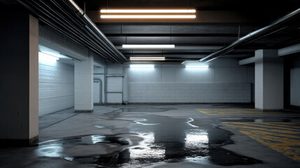
Basements differ from other areas of a home because they are located partially or entirely below ground level. As a result, they often have limited access to natural sunlight. Even basements with small windows typically receive far less daylight than upper-level rooms. This lack of natural illumination creates a unique design challenge that cannot be solved by simply adding a few light fixtures.
Natural light affects how people perceive a space. Bright rooms tend to feel larger, cleaner, and more welcoming, while darker spaces can appear smaller and less comfortable. In a basement environment, artificial lighting must compensate for the absence of sunlight while also creating visual warmth and depth. Achieving this balance requires a more strategic approach than many homeowners initially realize.
Another challenge is that basements often have structural elements such as exposed beams, support columns, ductwork, and lower ceiling heights. These features can create shadows and obstruct the distribution of light throughout the room. Without careful planning, certain areas may remain noticeably darker than others, leading to an uneven and uncomfortable environment.
The Problem of Limited Natural Light
Perhaps the most obvious challenge associated with basement lighting is the limited amount of natural light available. In many homes, basement windows are smaller than standard windows and positioned higher on walls due to the surrounding ground level. This limits both the quantity and quality of daylight entering the space.
Natural light provides benefits that artificial lighting cannot fully replicate. It helps establish a connection to the outdoors, improves mood, and enhances the appearance of colors and textures. When natural light is scarce, basements can feel disconnected from the rest of the home.
Homeowners often attempt to compensate by increasing the brightness of artificial fixtures, but excessive brightness can create a harsh and sterile atmosphere. The goal should not be to overpower the space with light but rather to create a balanced lighting plan that mimics the comfort and warmth of naturally illuminated rooms.
Low Ceilings and Structural Obstacles
Many basements feature lower ceilings than the main living areas of a home. This architectural characteristic presents another major lighting challenge. Large hanging fixtures that may work beautifully in a living room or dining room can make a basement feel even more confined.
In addition, ductwork, pipes, beams, and other structural components can interrupt the flow of light. These obstacles create shadows and dark corners that reduce overall visibility and comfort. Lighting designers often need to work around these constraints while maintaining a cohesive appearance throughout the space.
The placement of fixtures becomes particularly important in basements. Improper positioning can highlight structural imperfections or create uneven illumination. Careful fixture selection and strategic placement help minimize these issues and contribute to a more open and spacious feel.
Creating the Right Lighting Layers
One of the most common mistakes in basement lighting design is relying on a single source of illumination. A central ceiling fixture alone is rarely sufficient to provide comfortable and effective lighting throughout the space.
A successful basement lighting plan typically incorporates multiple layers of illumination. These layers work together to improve functionality and create visual interest.
The three primary lighting layers include:
- Ambient lighting for general illumination throughout the room.
- Task lighting for specific activities such as reading, working, or exercising.
- Accent lighting to highlight architectural features, artwork, or decorative elements.
By combining these layers, homeowners can create a more dynamic and adaptable environment. Layered lighting also helps reduce harsh shadows and improves overall visual comfort.
Eliminating Dark Corners
Dark corners are a common issue in basements due to limited natural light and complex room layouts. These poorly illuminated areas can make the space feel unfinished and smaller than it actually is.
When corners remain dark, they create visual dead zones that interrupt the flow of the room. Even if the rest of the basement is well lit, a few shadowed areas can negatively affect the overall atmosphere.
Addressing this challenge requires thoughtful fixture placement and strategic use of supplemental lighting. Wall-mounted fixtures, floor lamps, and recessed lighting can help distribute light more evenly throughout the space. The objective is to create consistency so that no area feels neglected or disconnected.
Choosing the Right Color Temperature
Lighting color temperature has a significant impact on how a basement feels. Color temperature refers to the warmth or coolness of light produced by a fixture.
Many homeowners underestimate the importance of this factor when designing a basement lighting system. Choosing lighting that is too cool can make the space feel clinical and uninviting, while lighting that is excessively warm may create a dim and enclosed atmosphere.
Finding the right balance is essential. The ideal color temperature often depends on the intended use of the space. A basement home office may benefit from slightly cooler lighting that supports focus and productivity, while a family room may feel more comfortable with warmer tones that encourage relaxation.
Consistency is equally important. Mixing drastically different color temperatures throughout the basement can create visual confusion and reduce overall design cohesion.
Addressing Moisture and Environmental Conditions
Basements are naturally more susceptible to moisture and humidity than above-ground living spaces. These environmental conditions can influence lighting choices and installation methods.
Moisture exposure can affect electrical components, reduce fixture lifespan, and create potential safety concerns if not properly addressed. For this reason, lighting systems installed in basements should be selected with durability and environmental performance in mind.
Proper ventilation and moisture management should accompany any basement lighting project. Ignoring these factors may lead to recurring maintenance issues and compromise the long-term reliability of the lighting system.
Balancing Functionality and Aesthetics
Another challenge in basement lighting design is balancing practical illumination with visual appeal. A basement must be functional enough to support daily activities while also feeling comfortable and attractive.
Many homeowners focus heavily on brightness without considering aesthetics. While sufficient illumination is essential, lighting should also contribute to the overall design of the space. Fixtures, placement, and light distribution all influence how the basement looks and feels.
Effective lighting design enhances architectural features, improves spatial perception, and supports the intended purpose of the room. Whether the goal is entertainment, work, relaxation, or recreation, lighting should complement the space rather than simply illuminate it.
Adapting Lighting to Different Basement Uses
Modern basements often serve multiple functions. A single basement may include a television area, exercise zone, workspace, storage section, and guest accommodations. Each area has different lighting requirements.
For example:
- Entertainment spaces typically benefit from adjustable lighting that supports both social gatherings and media viewing.
- Home offices require consistent task lighting to reduce eye strain and improve productivity.
- Fitness areas often need brighter illumination for safety and visibility.
- Guest rooms should provide comfortable lighting that promotes relaxation.
Because of these varying needs, flexibility is a key component of successful basement lighting design. Adjustable fixtures and multiple lighting zones allow the space to adapt to changing activities and preferences.
The Importance of Professional Planning
While lighting may appear straightforward at first glance, basement environments often present complexities that require careful evaluation. Electrical infrastructure, ceiling height limitations, structural obstacles, and room functionality all influence the effectiveness of a lighting plan.
Professional planning helps identify potential challenges before installation begins. A well-designed lighting system considers not only immediate needs but also future adaptability. This proactive approach reduces costly modifications and ensures that the finished basement remains comfortable and functional for years to come.
Understanding the challenges of basement lighting is essential for creating a lower-level space that feels bright, welcoming, and fully integrated with the rest of the home. Unlike above-ground rooms, basements face unique obstacles including limited natural light, lower ceilings, structural obstructions, moisture concerns, and varying functional requirements. These factors make lighting one of the most important aspects of basement design.
A successful basement lighting strategy goes beyond simply adding fixtures. It involves layering different types of light, eliminating dark corners, selecting appropriate color temperatures, addressing environmental conditions, and tailoring illumination to the specific needs of the space. When these elements are carefully planned and executed, a basement can be transformed from a dark and underutilized area into one of the most comfortable and valuable spaces in the home.
By recognizing and addressing the challenges of basement lighting early in the remodeling process, homeowners can create a basement that is not only functional but also visually appealing, energy-efficient, and enjoyable to use every day.