Author: Angel Wilkins

Understanding the Challenges of Basement Lighting

Basement Lighting

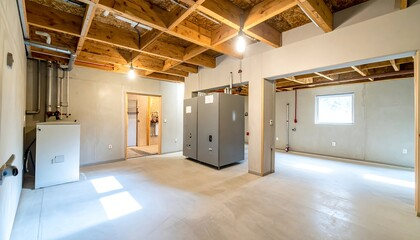
Basements are typically built below ground level, which restricts access to windows and daylight. Even finished basements with small windows may receive minimal natural light, making the space feel dark or enclosed if lighting is not handled properly.

Low ceilings, exposed beams, and structural elements can further limit lighting options. Basements may also serve multiple functions, each requiring different lighting needs. Understanding these challenges is the first step in creating effective basement lighting solutions. The goal is to compensate for the lack of natural light while avoiding harsh or uneven illumination. Visit https://jrcsi.com/ for more information.

Importance of Proper Lighting in Basements

Lighting plays a critical role in how a basement feels and functions. Poor lighting can make a space feel cramped, uninviting, and uncomfortable. In contrast, good lighting can transform a basement into an extension of the home that feels just as welcoming as above ground rooms.

Proper lighting improves safety by reducing shadows and dark corners. It also enhances productivity in work areas and relaxation in living spaces. Well designed lighting contributes to both practicality and aesthetics.

For basements with limited natural light, lighting becomes one of the most important design elements.

Layered Lighting Approach

One of the most effective basement lighting solutions is using a layered lighting approach. This method combines multiple types of lighting to create balanced and adaptable illumination.

Ambient lighting provides overall brightness and forms the foundation of the lighting plan. Task lighting focuses on specific activities such as reading, working, or cooking. Accent lighting adds visual interest and highlights architectural features or décor.

Layering these elements allows the basement to feel dynamic and comfortable rather than flat or overly bright.

Recessed Lighting for Low Ceilings

Recessed lighting is a popular choice for basements, especially those with low ceilings. These fixtures are installed flush with the ceiling, providing light without taking up headroom or creating visual clutter.

Recessed lights distribute light evenly across the space, helping eliminate dark areas. Spacing and placement are important to avoid uneven illumination. Using dimmable recessed lights allows for flexibility depending on the activity or mood.

This type of lighting works well for general illumination in spaces with limited natural light.

LED Lighting for Brightness and Efficiency

LED lighting is an excellent solution for basements due to its brightness, energy efficiency, and versatility. LEDs produce strong, consistent light without generating excessive heat, making them suitable for enclosed spaces.

LED fixtures are available in a range of color temperatures. Choosing a warmer white can create a cozy atmosphere, while neutral or cooler whites can mimic daylight and make the space feel brighter.

LED strip lighting is also popular for under cabinets, shelves, or along architectural features, adding subtle illumination and depth.

Using Light Color and Reflective Surfaces

The color of light and surrounding surfaces has a significant impact on basement brightness. Light colored walls, ceilings, and flooring reflect light more effectively, helping the space feel brighter.

Choosing light paint colors and finishes enhances the effectiveness of artificial lighting. Glossy or semi gloss finishes can further increase reflectivity without being overwhelming.

Mirrors and reflective décor elements can also help distribute light throughout the basement, creating the illusion of a brighter and more open space.

Pendant and Surface Mounted Lighting Options

In basements with higher ceilings or designated zones, pendant or surface mounted lighting can add style and focused illumination. These fixtures work well over seating areas, game tables, or kitchen islands.

When using pendant lighting in a basement, scale and placement are important to avoid making the ceiling feel lower. Choosing fixtures with open or transparent designs helps maintain a sense of openness.

Surface mounted fixtures provide an alternative where recessed lighting is not feasible due to structural limitations.

Task Lighting for Functional Areas

Basements often include functional areas that require focused lighting. Home offices, workshops, laundry rooms, and exercise areas benefit from task lighting that provides adequate brightness without glare.

Desk lamps, under cabinet lights, and adjustable fixtures allow for precise illumination. Task lighting should be positioned to minimize shadows and support specific activities.

Providing adequate task lighting improves usability and comfort in basement spaces with limited natural light.

Accent Lighting to Add Depth and Interest

Accent lighting adds dimension and visual interest to basement spaces. Wall sconces, picture lights, and LED strips can highlight artwork, architectural features, or textured walls.

Accent lighting helps break up large spaces and create focal points. It also reduces the flatness that can occur when relying solely on overhead lighting.

By adding layers of light, accent lighting makes basements feel more dynamic and inviting.

Color Temperature and Mood

Choosing the right color temperature is essential in basements with limited natural light. Cool white light can feel bright but may create a sterile atmosphere if overused. Warm white light adds comfort but may not provide enough brightness alone.

A balanced approach often works best. Combining neutral ambient lighting with warmer accent and task lighting creates a natural and comfortable feel.

Understanding how color temperature affects mood helps create a basement environment that feels intentional and pleasant.

Smart Lighting Controls

Smart lighting systems offer flexibility and convenience for basement lighting. Dimmers, timers, and smart switches allow homeowners to adjust lighting levels easily.

Smart lighting can be programmed for different activities or times of day, enhancing comfort and energy efficiency. For example, brighter lighting may be used during work hours, while softer lighting suits movie nights or relaxation.

Smart controls help adapt basement lighting to changing needs and preferences.

Addressing Dark Corners and Hallways

Basements often have corners or hallways that receive little light. These areas can feel uninviting or unsafe if not properly illuminated.

Adding wall sconces, floor lamps, or recessed lights in these areas improves visibility and flow. Lighting stairways and entry points is especially important for safety.

Addressing dark spots ensures consistent illumination throughout the basement.

Lighting for Basement Entertainment Spaces

Basements are commonly used for entertainment, such as home theaters or game rooms. These spaces require flexible lighting that supports different activities.

Dimmable lights allow for transitions between bright and low light settings. Indirect lighting, such as cove lighting or LED strips, enhances ambiance without causing glare on screens.

Thoughtful lighting design enhances the entertainment experience in basement spaces.

Safety and Code Considerations

Basement lighting must comply with electrical codes and safety standards. Proper wiring, grounded outlets, and moisture resistant fixtures are essential.

Working with a licensed electrician ensures safe installation and compliance. This is especially important in basements where humidity levels may be higher.

Safety considerations protect both the space and its occupants.

Planning Basement Lighting Layouts

Planning is key to effective basement lighting solutions. Homeowners should consider how the space will be used and where lighting is needed most.

Creating a lighting plan that includes ambient, task, and accent lighting ensures balanced coverage. Adjustments can be made based on ceiling height, layout, and design goals.

A well planned layout reduces the need for additional fixtures later.

Enhancing Comfort and Perception of Space

Good lighting can change how a basement is perceived. Bright, evenly distributed light makes spaces feel larger and more open. Proper lighting reduces the sense of enclosure often associated with basements.

Combining lighting with light colors and thoughtful design enhances comfort. This encourages more frequent use of the basement as a functional living area.

Lighting transforms basements from secondary spaces into integral parts of the home.

Long Term Benefits of Quality Basement Lighting

Investing in quality basement lighting offers long term benefits. Well lit basements are more functional, safer, and visually appealing. They support a wide range of uses and adapt to changing needs.

Quality lighting also adds value to the home by improving the usability of finished basement spaces. Prospective buyers often view well lit basements as a significant advantage.

Good lighting design ensures the basement remains enjoyable for years to come.

Final Thoughts on Basement Lighting Solutions for Limited Natural Light

Basement lighting solutions for spaces with limited natural light require thoughtful planning and creative approaches. By using layered lighting, efficient fixtures, and reflective design elements, homeowners can overcome the challenges of low light conditions.

The right lighting transforms basements into bright, comfortable, and functional spaces. With careful consideration of placement, color temperature, and flexibility, basement lighting enhances both aesthetics and usability.

Effective lighting design allows basements to feel just as inviting and livable as any other area of the home.
The Long-Term Value of Professional Air Duct Cleaning for Healthier Indoor Living

When people think about maintaining a clean and comfortable indoor environment, they often focus on visible surfaces—floors, countertops, furniture, and windows. However, one of the most important systems affecting indoor air quality is hidden behind walls and ceilings: the air duct system. Professional Air Duct Cleaning Salt Lake City plays a critical role in maintaining a healthy living and working environment, improving HVAC efficiency, and protecting long-term property value. Over time, dust, debris, allergens, and contaminants accumulate inside ductwork, silently impacting air quality and energy performance. Investing in routine air duct cleaning is not just about cleanliness—it’s about long-term health, comfort, and cost savings.

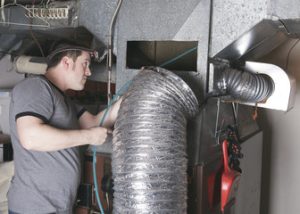
Air ducts act as the respiratory system of a building. Every time the heating or cooling system runs, air circulates through the ductwork and into various rooms. If the ducts are contaminated, those particles are redistributed throughout the space. This continuous circulation can worsen allergies, irritate respiratory conditions, and create unpleasant odors. Professional air duct cleaning removes built-up debris and restores proper airflow, creating a cleaner indoor environment that benefits everyone inside the property.

air duct cleaning

How Contaminants Build Up in Air Duct Systems

Even in well-maintained properties, air ducts naturally accumulate dust and particles over time. Everyday activities such as cooking, cleaning, and simply walking through a room release microscopic particles into the air. These particles are drawn into return vents and settle within the duct system. Pet dander, pollen, construction dust, and even small insects can also collect inside the ductwork.

Moisture adds another layer of concern. When condensation forms inside ducts or near cooling coils, it can create conditions favorable for mold growth. Mold spores can then circulate through the air supply, potentially causing respiratory discomfort and persistent odors. This is why routine inspection and air duct cleaning services are essential—not only for visible dust removal but also for preventing hidden contamination that can affect indoor air quality.

Over time, debris buildup can restrict airflow. When airflow is reduced, the HVAC system must work harder to push conditioned air throughout the building. This increased strain leads to higher energy consumption, reduced efficiency, and unnecessary wear on system components. Professional air duct cleaning helps restore proper airflow and reduces the burden on heating and cooling equipment.

Health Benefits of Professional Air Duct Cleaning

Clean indoor air is directly connected to overall well-being. Poor air quality can trigger allergy symptoms, asthma flare-ups, headaches, fatigue, and other discomforts. Regular air duct cleaning supports healthier breathing conditions by removing contaminants that may otherwise circulate continuously.

Here are some of the key health-related benefits of professional air duct cleaning:

  1. Reduced Allergens and Irritants: Removing dust, pollen, pet dander, and other airborne particles from ductwork reduces the overall allergen load inside the property. This is especially beneficial for individuals with allergies or respiratory sensitivities.
  2. Improved Indoor Air Quality: Clean ducts contribute to fresher, cleaner air throughout the space, minimizing stale odors and improving overall comfort.
  3. Mold Prevention: Eliminating moisture buildup and addressing contamination early helps prevent mold growth within the HVAC system.
  4. Better Sleep and Comfort: Cleaner air promotes more restful sleep and reduces nighttime irritation caused by airborne particles.

Professional air duct cleaning services use specialized equipment to thoroughly remove debris without spreading contaminants into the living space. This targeted approach ensures the system is cleaned effectively and safely.

Energy Efficiency and HVAC Performance

Beyond health benefits, air duct cleaning significantly impacts energy efficiency. HVAC systems are designed to operate with a specific airflow capacity. When ducts are clogged with debris, airflow becomes restricted, forcing the system to work harder to maintain the desired temperature. This leads to higher utility bills and increased mechanical strain.

Regular air duct cleaning helps:

  • Improve airflow consistency
  • Reduce energy consumption
  • Extend HVAC system lifespan
  • Lower monthly utility costs

When airflow is restored, heating and cooling systems can maintain comfortable temperatures more easily. Reduced strain on components like fans and motors also decreases the likelihood of costly repairs or premature system replacement. For property owners focused on long-term savings, air duct cleaning is a proactive investment rather than an unnecessary expense.

Signs Your Air Ducts May Need Cleaning

While routine inspections are recommended, certain signs may indicate that professional air duct cleaning services are needed sooner rather than later. Recognizing these warning signals can help prevent further complications.

Some common indicators include:

  • Visible dust blowing from vents when the system starts
  • Persistent musty or stale odors
  • Uneven airflow between rooms
  • Increased allergy symptoms indoors
  • Recent renovation or construction work
  • Sudden spike in energy bills without explanation

After construction or remodeling projects, dust and debris often settle inside ductwork. Even if surfaces appear clean, hidden particles may remain within the system. Scheduling air duct cleaning after major renovations helps eliminate leftover contaminants and ensures a fresh start for the HVAC system.

The Professional Air Duct Cleaning Process

Professional air duct cleaning involves more than simply vacuuming vent covers. Experienced technicians use high-powered equipment and specialized tools designed specifically for duct systems. The process typically includes a thorough inspection, containment setup, debris agitation, and powerful extraction.

During the cleaning process, technicians may:

  1. Inspect ductwork for damage, leaks, or contamination.
  2. Seal vents and use negative pressure equipment to prevent dust from escaping into the space.
  3. Agitate debris inside the ducts using specialized brushes or air tools.
  4. Extract contaminants using industrial-grade vacuums.
  5. Clean components such as registers, grilles, and accessible system parts.

This comprehensive approach ensures contaminants are removed efficiently without spreading particles throughout the property. Professional services also help identify underlying issues such as duct leaks or excessive moisture that may require additional attention.

Long-Term Financial Benefits

Some property owners hesitate to schedule air duct cleaning because they view it as an optional service. However, when evaluated from a long-term perspective, the financial benefits become clear. Reduced energy consumption, extended HVAC lifespan, and fewer repairs contribute to overall savings.

Routine maintenance, including air duct cleaning, helps avoid emergency breakdowns that can result in costly repairs. Preventative care is often more affordable than addressing damage caused by neglect. In addition, maintaining clean and efficient systems can increase property value, particularly when preparing a home or commercial space for sale.

Buyers and tenants are increasingly concerned about indoor air quality and energy efficiency. A well-maintained HVAC system, supported by documented air duct cleaning services, can enhance confidence and make a property more appealing in competitive markets.

Air Duct Cleaning for Commercial Spaces

While residential properties benefit significantly from air duct cleaning, commercial buildings often experience even greater airflow demands. Offices, retail spaces, and other commercial environments typically have larger HVAC systems and higher occupancy levels. This means contaminants can accumulate quickly, especially in high-traffic areas.

In commercial settings, poor indoor air quality can impact employee productivity and customer comfort. Dusty or poorly ventilated environments may lead to frequent illness, reduced concentration, and complaints about air quality. Regular air duct cleaning services support a healthier workspace and help maintain a professional atmosphere.

Commercial properties also rely heavily on energy efficiency to manage operating costs. Clean ductwork allows HVAC systems to function optimally, helping businesses reduce overhead expenses and maintain consistent climate control.

Preventative Maintenance Strategies

Air duct cleaning is most effective when integrated into a broader HVAC maintenance plan. Property owners can take proactive steps to reduce contamination between professional cleanings.

Here are several preventative measures to consider:

  1. Replace Air Filters Regularly: High-quality air filters capture dust and particles before they enter the duct system. Replacing filters as recommended helps reduce buildup.
  2. Schedule Routine HVAC Inspections: Professional inspections can identify potential issues before they escalate.
  3. Control Indoor Humidity Levels: Proper humidity control reduces the risk of mold growth inside ductwork.
  4. Keep Vents and Registers Clean: Regularly dusting vent covers prevents debris from entering the system.

Combining these practices with periodic professional air duct cleaning creates a comprehensive approach to indoor air quality management.

Choosing a Reliable Air Duct Cleaning Service

Selecting the right air duct cleaning provider is essential for achieving safe and effective results. Look for companies that use specialized equipment, follow industry best practices, and provide clear explanations of their cleaning process. Transparency, experience, and proper training are key indicators of quality service.

Avoid services that promise unrealistically low prices or incomplete cleaning methods. Thorough air duct cleaning requires time, expertise, and proper tools. Investing in professional services ensures that the job is done correctly and that contaminants are fully removed.

Creating a Healthier Indoor Environment

Ultimately, air duct cleaning is about creating a healthier and more comfortable indoor environment. Clean ductwork supports improved airflow, reduced allergens, better energy efficiency, and long-term HVAC performance. Whether for residential or commercial properties, routine air duct cleaning services provide measurable benefits that extend beyond surface-level cleanliness.

As awareness of indoor air quality continues to grow, proactive maintenance is becoming a priority for property owners. Instead of waiting for visible problems to develop, scheduling regular air duct cleaning helps prevent issues before they start. By taking a preventative approach, you protect both the building and the well-being of those who live or work inside it.

In the long run, professional air duct cleaning is not just a maintenance task—it’s an investment in health, efficiency, and peace of mind.

Navigation