Fire damage can be one of the most devastating events a property owner may experience. Beyond the immediate destruction caused by flames, fire often leaves behind smoke damage, soot contamination, water damage from firefighting efforts, and structural issues that require professional attention. When disaster strikes, one of the first questions people ask is: How much does fire damage restoration cost?
The answer depends on several factors, including the extent of the damage, the size of the property, the materials affected, and the complexity of the restoration process. Understanding these variables can help property owners prepare financially and make informed decisions when hiring professionals. This guide explores the costs associated with fire damage restoration, the factors that influence pricing, and why investing in professional fire damage restoration services is essential for protecting a property’s value and safety.
Understanding Fire Damage Restoration
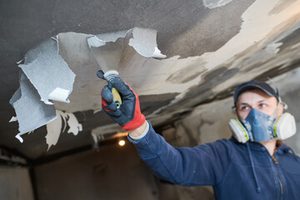
Fire damage restoration is a specialized process designed to return a property to its pre-loss condition after a fire. Restoration professionals do much more than clean visible damage. They assess structural integrity, remove soot and smoke residue, eliminate odors, repair damaged materials, and address water damage caused by firefighting efforts.
The restoration process typically begins with a detailed inspection to determine the scope of the damage. Once the assessment is complete, professionals create a restoration plan that includes cleaning, repairs, reconstruction, and any necessary safety measures. The complexity of this work directly affects the overall cost.
Unlike simple cleaning projects, fire restoration often requires specialized equipment, protective gear, advanced cleaning techniques, and experienced technicians. These factors contribute to the overall investment required to fully restore a property.
Average Fire Damage Restoration Costs
Fire damage restoration costs can vary significantly depending on the severity of the fire. Minor incidents that affect only a small area may require limited cleaning and repairs, while extensive fires can result in major reconstruction projects.
For smaller fire damage situations, restoration expenses may involve smoke removal, soot cleanup, odor treatment, and minor repairs. Moderate damage often requires replacing building materials, restoring affected rooms, and repairing electrical or plumbing systems. Severe fire damage may involve structural rebuilding, complete interior restoration, and extensive remediation efforts.
Property size also plays a major role in determining restoration expenses. Larger buildings naturally require more labor, materials, and time, increasing the overall project cost.
Factors That Affect Fire Damage Restoration Costs
Several important variables influence the final price of fire damage restoration services.
1. Extent of Fire Damage
The severity of the fire is one of the most significant cost factors. A small kitchen fire may result in limited smoke damage and localized repairs, while a larger fire affecting multiple rooms can require extensive restoration work.
When flames penetrate walls, ceilings, flooring, and structural components, restoration becomes more labor-intensive and expensive. The greater the damage, the more resources are needed to restore the property safely.
2. Smoke and Soot Removal
Even when flames affect only a small portion of a property, smoke and soot can spread throughout the entire structure. Smoke particles often penetrate porous materials such as drywall, insulation, carpets, upholstery, and wood surfaces.
Professional smoke and soot removal involves specialized cleaning methods designed to prevent permanent staining and lingering odors. Extensive contamination can significantly increase restoration costs because multiple cleaning treatments may be required.
3. Water Damage Remediation
Fire suppression efforts frequently introduce large amounts of water into a property. As a result, fire damage restoration often includes water extraction, drying, and dehumidification services.
If water remains trapped within walls, flooring, or structural components, mold growth and additional damage can occur. Addressing these issues promptly is critical, but it also adds to the total restoration expense.
4. Structural Repairs
Structural damage is among the most costly aspects of fire restoration. When support beams, roofing systems, walls, or foundations are compromised, extensive repairs may be necessary before the property can be safely occupied.
Contractors may need to replace framing, rebuild sections of the structure, reinforce damaged components, and ensure compliance with current building standards. The scope of structural repairs has a major impact on project costs.
5. Contents Restoration
Personal belongings and business assets can often be restored rather than replaced. Furniture, electronics, clothing, documents, and valuable items may undergo specialized cleaning and restoration procedures.
The cost of contents restoration depends on the number of items affected, their condition, and the techniques required for recovery. While restoring belongings can be expensive, it is often more affordable than replacement.
The Fire Damage Restoration Process
Understanding the restoration process helps explain why costs can vary so widely from one project to another.
The process generally includes:
- Emergency response and damage assessment.
- Property stabilization and safety measures.
- Water extraction and drying.
- Smoke and soot removal.
- Odor elimination treatments.
- Cleaning and sanitization.
- Structural repairs and reconstruction.
- Final inspections and quality assurance.
Each stage requires specialized expertise and equipment, contributing to the overall project investment.
Emergency Services and Their Costs
Many restoration companies offer emergency response services because fire damage worsens when left untreated. Immediate action can prevent additional deterioration and reduce long-term repair expenses.
Emergency services often include board-up procedures, roof tarping, water removal, and temporary stabilization measures. While these services increase upfront costs, they frequently save money by preventing secondary damage.
Rapid response is particularly important because soot residue becomes more difficult to remove over time. Delayed restoration can lead to permanent staining and increased repair requirements.
Hidden Costs Property Owners Should Consider
When budgeting for fire damage restoration, it is important to consider potential hidden expenses.
Some common additional costs include:
- Temporary housing if the property is uninhabitable.
- Storage fees for furniture and personal belongings.
- Permit and inspection fees.
- Mold remediation resulting from water damage.
- Air quality testing and environmental assessments.
- Electrical and mechanical system inspections.
These expenses can significantly affect the total financial impact of a fire-related incident.
How Insurance Impacts Restoration Costs
Insurance coverage plays a major role in determining out-of-pocket restoration expenses. Many property insurance policies provide coverage for fire damage, including cleanup, repairs, reconstruction, and temporary living arrangements.
However, coverage limits, deductibles, exclusions, and policy conditions vary considerably. Property owners should review their insurance policies carefully and communicate with their insurance representatives throughout the restoration process.
Professional restoration companies often assist with documentation, damage assessments, and insurance claim support. Detailed records and photographs can help streamline the claims process and improve the likelihood of receiving appropriate compensation.
Why Professional Restoration Is Worth the Cost
Some property owners may consider handling fire cleanup independently to save money. However, fire damage restoration involves complex challenges that often require professional expertise.
Smoke residue can contain hazardous substances that pose health risks. Structural damage may not be immediately visible, and improper cleaning methods can worsen the situation. Professional restoration teams have the training, equipment, and experience necessary to address these issues safely and effectively.
Hiring qualified professionals also helps ensure that hidden damage is identified and corrected before it leads to future problems. In many cases, professional restoration reduces long-term costs by preventing recurring issues such as mold growth, structural deterioration, and persistent smoke odors.
Tips for Managing Fire Damage Restoration Costs
While fire restoration can be expensive, there are several ways property owners can manage costs effectively.
Consider the following strategies:
- Contact restoration professionals immediately after the incident.
- Document all damage thoroughly with photographs and notes.
- Review insurance coverage and claim procedures carefully.
- Obtain detailed restoration estimates.
- Preserve salvageable belongings whenever possible.
- Address water damage promptly to prevent mold growth.
Taking these steps can help minimize expenses and improve restoration outcomes.
Long-Term Value of Fire Damage Restoration
Although restoration costs can seem substantial, restoring a property properly provides significant long-term benefits. Professional restoration helps preserve property value, maintain safety standards, and prevent future complications.
A fully restored property is more attractive to potential buyers, tenants, and occupants. It also reduces the likelihood of ongoing maintenance issues caused by hidden damage. Investing in comprehensive restoration protects both the physical structure and the financial value of the property.
In addition, professional restoration contributes to healthier indoor air quality by removing soot particles, smoke contaminants, and moisture-related hazards. These improvements enhance comfort and safety for everyone who uses the space.
Conclusion
So, how much does fire damage restoration cost? The answer depends on a wide range of factors, including the severity of the fire, the extent of smoke and soot contamination, structural damage, water remediation requirements, and the size of the property. While costs can vary significantly from one project to another, professional restoration remains a critical investment in safety, property preservation, and long-term value.
Understanding the restoration process and the factors that influence pricing allows property owners to make informed decisions when disaster strikes. By acting quickly, working with experienced restoration professionals, and utilizing available insurance coverage, property owners can navigate the recovery process more effectively and restore their properties to a safe and functional condition.
Fire damage restoration is not simply about repairing visible destruction. It is a comprehensive effort to eliminate hazards, restore structural integrity, recover valuable belongings, and create a safe environment for future occupancy. When approached properly, restoration helps transform a devastating event into a successful recovery story.